


Japan is recognised as one of the world's leading manufacturing nations, with highly developed industries in automotive production, electronics, precision engineering, and industrial machinery. To support these industries, manufacturers require a constant supply of accurately machined components, creating a steady demand for skilled workers, including overseas employees from Vietnam.
Machining is an excellent career choice for those who are interested in engineering, modern manufacturing technology, and developing practical technical skills in a professional working environment.
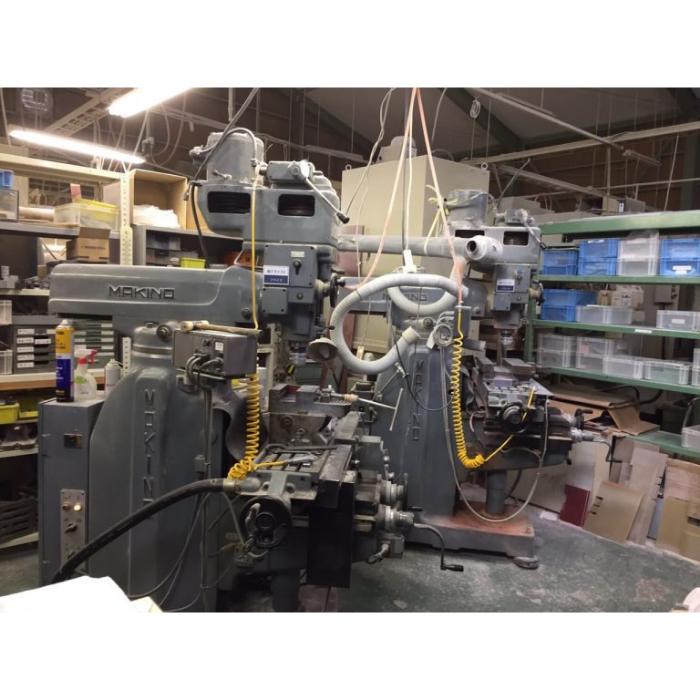
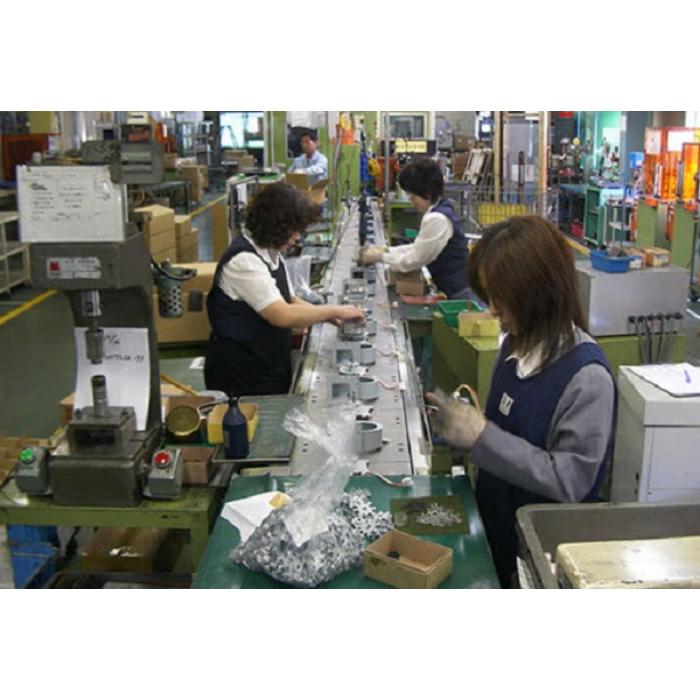
What Does a Machining Worker Do?
The exact responsibilities vary depending on the company and production line, but typical duties include:
-
Operating machining equipment.
-
Using lathes, milling machines, CNC machines, and other precision machinery.
-
Monitoring machining processes.
-
Measuring product dimensions.
-
Inspecting the quality and accuracy of finished components.
-
Finishing, sorting, and packing completed products.
-
Cleaning machinery and maintaining the work area.
The products manufactured may include automotive components, electronic parts, machine components, moulds, and other precision-engineered products used across a wide range of industries.
A Modern and Safe Working Environment
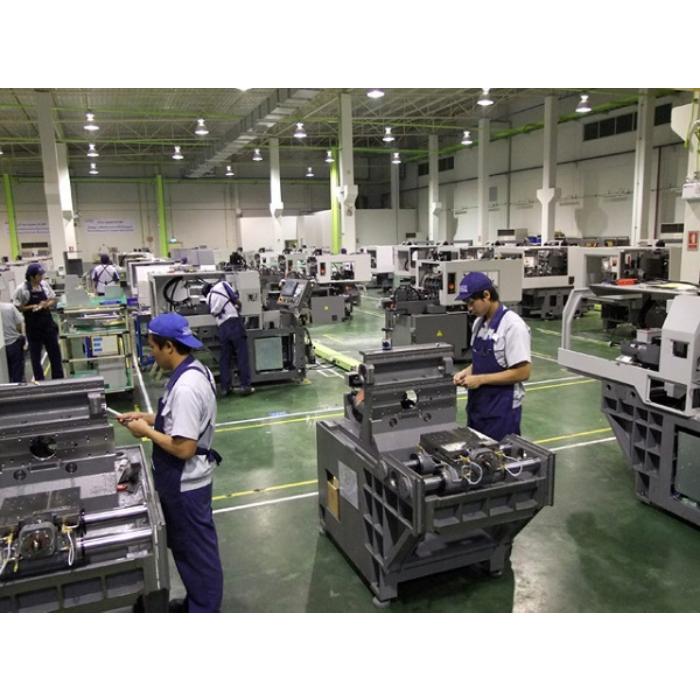
Japanese machining factories are equipped with advanced production technology and modern machinery designed to achieve high levels of accuracy and efficiency. Employees work in clean, organised workshops where workplace safety is given the highest priority.
Before beginning work, employees receive comprehensive training in machine operation, production procedures, quality control, and workplace safety. This enables both experienced workers and beginners to adapt quickly to their roles.
Is This Job Suitable for Beginners?
Many employers provide practical training before employees begin regular production work, so previous experience in machining is not always required.
However, the role requires concentration, attention to detail, and a strong sense of responsibility. Workers are expected to follow production procedures carefully, inspect products accurately, and maintain high quality standards throughout the manufacturing process.
Applicants with previous experience in engineering or manufacturing will have an excellent opportunity to further develop their technical skills while gaining experience with Japan's advanced manufacturing technology.
Salary and Employee Benefits
Employees working in Japan's machining industry receive employment benefits in accordance with Japanese labour laws and the terms of their employment contracts.
Typical benefits include:
-
Stable monthly income based on regional wage standards and company policies.
-
Overtime opportunities with overtime pay in accordance with Japanese labour regulations.
-
Enrolment in the required social insurance programmes.
-
Paid annual leave and public holidays.
-
Guidance and support throughout both work and daily life in Japan.
Actual earnings vary depending on the prefecture, employer, basic salary, overtime hours, and company policies.
Skills You Can Develop
Working in the machining industry offers far more than a stable income. Employees also develop valuable technical skills and professional experience, including:
-
Operating modern machining equipment and CNC machines.
-
Developing measurement and quality inspection skills.
-
Improving accuracy, concentration, and attention to detail.
-
Building professional work habits, including punctuality and discipline.
-
Strengthening teamwork and communication skills.
-
Improving Japanese language ability through everyday work and life.
These skills remain valuable throughout a worker's career and can support future employment opportunities in both Japan and Vietnam.
Challenges to Be Aware Of
Like any manufacturing occupation, machining also presents certain challenges.
Employees may be required to stand for extended periods, operate machinery with sustained concentration, and maintain consistent quality standards throughout production. During busy manufacturing periods, overtime may also be required to meet production schedules.
Good physical health, careful working habits, and a commitment to workplace safety will help employees perform successfully in this role.
Opportunities for Vietnamese Workers
Demand for workers in Japan's machining industry remains consistently high. It is an excellent choice for people seeking stable employment, modern working conditions, and the opportunity to develop valuable engineering skills using advanced manufacturing technology.
If you are looking for reliable employment, competitive earnings, and practical international work experience, machining is an industry well worth considering.
Before applying, it is advisable to carefully review the recruitment requirements, salary, workplace location, departure schedule, and the latest available job vacancies through a reputable sending organisation to ensure you receive complete and accurate information before making your decision.
FOR MORE DETAILS OF OUR STUDY ABROAD AND WORKING OVERSEAS PROGRAMMES, PLEASE CONTACT:
SONG DA TOHOKU JOINT STOCK COMPANY
Address: No. 4, Alley 180 Thai Thinh Street, Dong Da Ward, Hanoi, Vietnam
Hotline: +84 989 044 852
Email: tohokusongda2014@gmail.com