


When studying or working in South Korea, you may need to pay not only rent but also electricity, water, gas and monthly maintenance fees. The way these charges are collected depends on your accommodation and the terms of your rental agreement.
Understanding these costs helps Vietnamese students and workers manage their budgets, avoid unpaid bills and prevent disputes when moving out.
1. How Are Electricity, Water and Gas Bills Calculated?
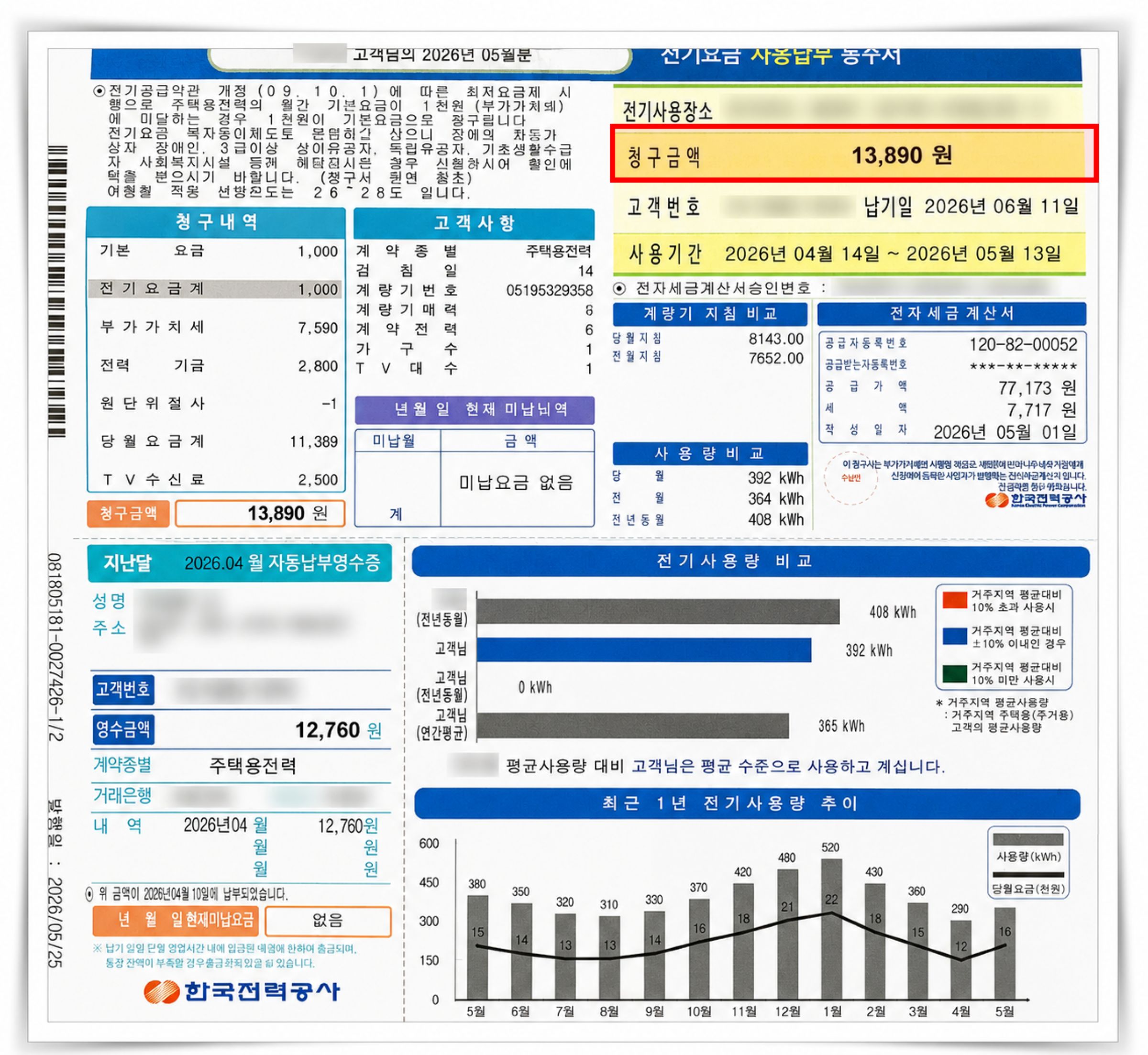
Electricity
Electricity bills are generally based on the amount of electricity used during the billing period. The amount payable depends on consumption and the applicable tariff.
Using appliances such as electric heaters, air conditioners, water heaters and tumble dryers frequently can significantly increase your electricity bill.
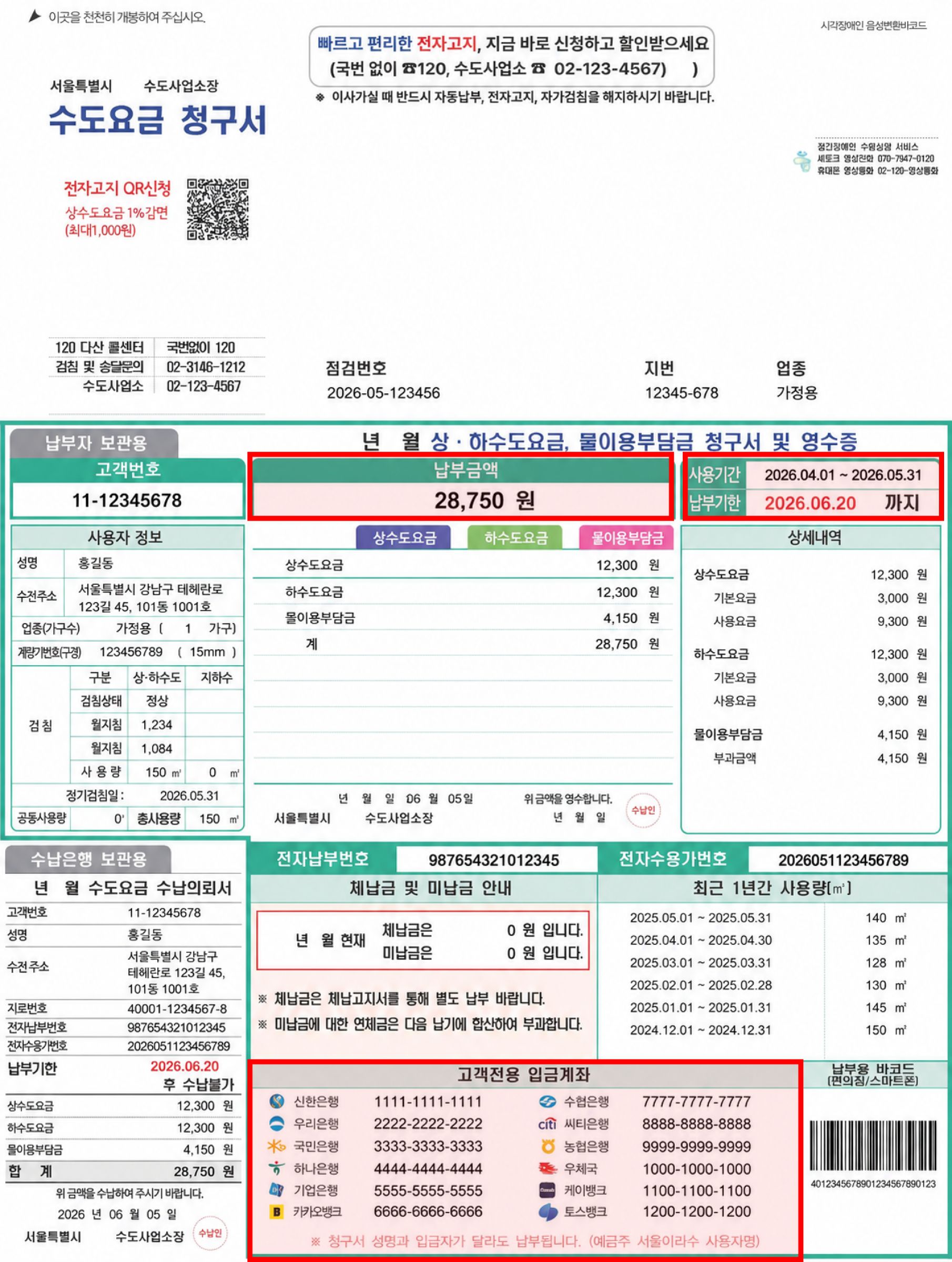
Water
Water charges may be based on the volume consumed or allocated according to the building's billing arrangements. In some buildings with multiple rooms, a shared water meter is used, so the landlord or property manager divides the cost between tenants.
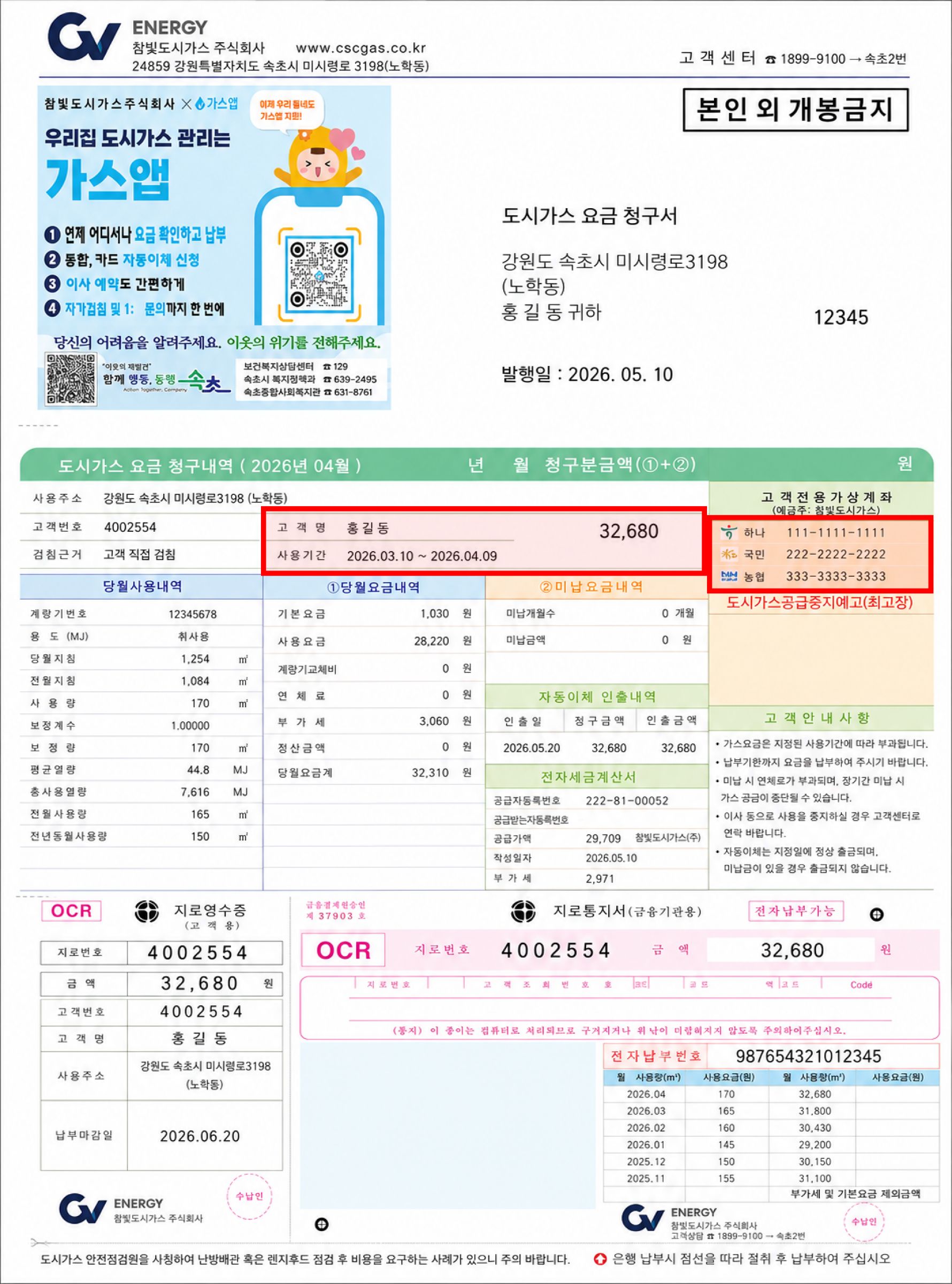
Gas
Gas is commonly used for cooking and heating. The bill depends on consumption, the type of fuel and the rates charged by the local supplier.
During winter, frequent use of gas heating can significantly increase your monthly expenses.
Please note that there is no single fixed rate for all students and workers. Electricity, water and gas costs depend on your accommodation, consumption, the weather and the billing arrangements in place.
2. Who Pays for Electricity, Water and Gas?
Payment arrangements vary depending on the type of accommodation.
-
University dormitories: Some utilities may be included in the accommodation fee, while others may be charged separately under the university's rules.
-
Goshiwon: Some establishments include electricity, water and internet in the rent. Others may impose usage limits or charge additional fees.
-
Private studio flats (one-room): Tenants may receive bills directly or pay through the landlord, depending on the rental agreement and how the utility services are registered.
-
Apartments: Utility charges and maintenance fees are often shown on a monthly bill. Check which costs are already included in the maintenance fee.
Before signing a rental agreement, ask which costs are included in the rent and which must be paid separately.
3. How to Pay Electricity, Water and Gas Bills
Common payment methods include:
-
Bank transfer: Pay using the details shown on the bill or the account provided by the utility supplier.
-
Automatic bank payments: Set up automatic payments if the supplier offers this service.
-
Bank or convenience store payments: These may be available depending on the bill and the payment options accepted locally.
-
Mobile applications: Payments may be made through the supplier's or bank's app, subject to service availability and registration requirements.
When you receive a bill, check the amount due, billing period, payment deadline and customer reference number. Keep the receipt or transaction record after making payment.
If you do not yet have a South Korean bank account or are unsure how to pay, ask your school, landlord or property manager for guidance. Do not transfer money to an unverified personal account.
4. How to Pay Rent
Rent is usually paid monthly or according to the schedule specified in the rental agreement. Before transferring money, check the following:
-
The rental amount and payment deadline.
-
The deposit, if applicable.
-
Whether maintenance fees and utility bills are charged separately.
-
The recipient's account details and name.
-
The conditions for early termination, deposit refunds and final settlement of bills when moving out.
Pay on time and keep your rental agreement, receipts and bank transfer records. If you pay in cash, ask for written confirmation that the payment has been received.
Do not deduct repair costs or other expenses from your rent without a clear agreement.
5. What to Do When Moving In or Moving Out
When moving in:
-
Confirm the date from which rent and other charges will be calculated.
-
Record the electricity and water meter readings if separate meters are provided.
-
Ask whose name the utility accounts are registered under and who is responsible for payment.
-
For piped gas, contact the local supplier if registration or service connection is required. Gas appliances should only be installed or disconnected by qualified personnel.
When moving out:
-
Notify the landlord or property manager in advance, in accordance with your rental agreement.
-
Record the meter readings on the handover date if separate meters are available.
-
Pay any outstanding bills and confirm how costs up to the moving-out date will be calculated.
-
Check the deposit refund arrangements and conditions.
-
If the electricity or gas account is registered in your name, contact the supplier to settle the final bill and terminate or transfer the service as required.
6. Common Mistakes to Avoid
-
Assuming that electricity, water and gas are always included in the rent.
-
Missing payment deadlines and incurring late-payment charges.
-
Failing to keep bills or proof of payment.
-
Not checking how water or gas costs are divided when meters are shared.
-
Failing to settle outstanding bills when moving out.
-
Installing or disconnecting gas equipment yourself.
KEY POINTS TO REMEMBER
Before renting accommodation in South Korea, confirm three things: which costs are included in the rent, how utility charges are calculated and shared, and who must be paid and by when.
If you receive a bill that you do not understand, ask the landlord, property manager or utility supplier for clarification before making payment.
CONTACT INFORMATION
Songda Tohoku Joint Stock Company
Address: L02-L01, Khu A, KĐT Dương Nội, Phường Dương Nội, Hà Nội, Vietnam
Hotline: 0989 044 852
Email: tohokusongda2014@gmail.com
Website: https://tohoku.vn