


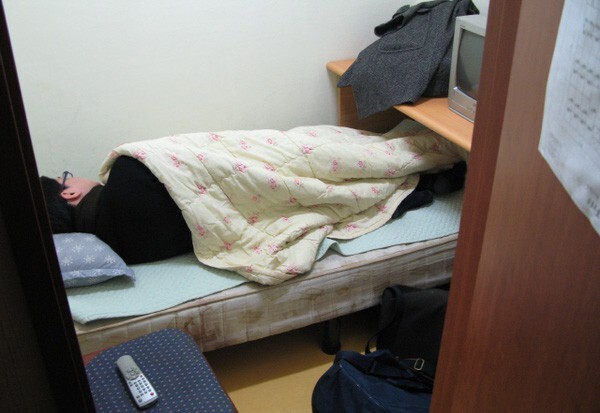
A goshiwon is a type of accommodation commonly found in South Korea. It is often chosen by students and workers because of its relatively low cost and flexible rental arrangements. However, rooms are usually small, some facilities may be shared, and living conditions vary from one establishment to another.
1. Goshiwon Rental Costs
As a general guide, rent often ranges from KRW 300,000 to KRW 550,000 per month, depending on the location, room size and facilities. Rooms with private bathrooms or those near universities may cost more.
Before renting, ask the following questions:
-
Are electricity, water, internet and management fees included in the rent?
-
Is a deposit required? If so, under what conditions will it be refunded?
-
Can you rent by the month and leave before the end of the agreed period?
-
Are basic food items such as rice, kimchi or instant noodles provided free of charge?
2. Advantages and Disadvantages
Advantages
-
The initial cost is generally lower than renting a private flat.
-
Short-term rental may be available, making it suitable for newcomers to South Korea.
-
Basic facilities such as a bed, desk, air conditioning and internet are often provided.
-
Some establishments provide basic food items.
Disadvantages
-
Rooms are small, with limited living and storage space.
-
Kitchens, bathrooms and washing machines may be shared.
-
Sound insulation, ventilation and cleanliness vary between establishments.
-
Additional charges and rental conditions must be checked carefully before payment.
3. Is a Goshiwon Suitable for Vietnamese Students?
A goshiwon may suit students on a limited budget, those who need temporary accommodation after arriving in South Korea, or those who spend most of their time at university or in the library.
However, it may not be suitable for people who need more space, cook frequently, are sensitive to noise or want to live with their family.
If the university offers reasonably priced accommodation, students should compare the total costs and living conditions before making a decision.
4. Six Things to Check Before Renting
-
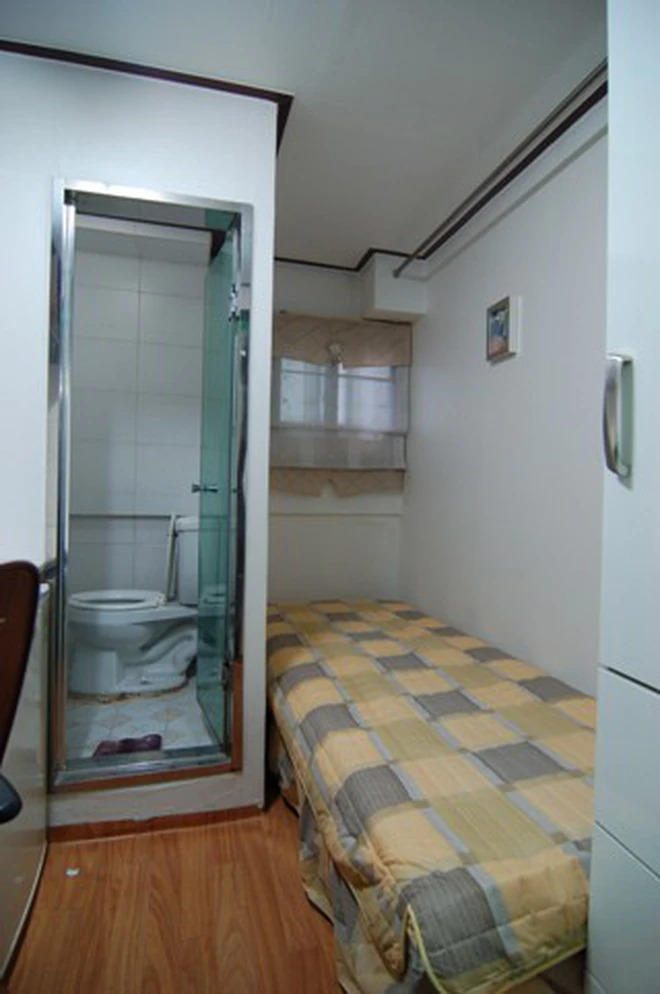
The room: Check its size, windows, natural light, ventilation and the condition of the furniture.
-
Bathroom facilities: Find out whether the bathroom is private or shared, and check its cleanliness and availability.
-
Total costs: Confirm the rent, electricity, water, internet, management fees and any deposit.
-
Rental terms: Check the rental period, early termination rules and deposit refund conditions.
-
Safety: Check emergency exits, fire alarms and fire safety arrangements.
-
Address registration: Ask about the requirements for registering your place of residence under the rules applicable to foreign residents.
Where possible, inspect the room in person or verify the establishment carefully before transferring any money. Do not make a decision based solely on advertising photographs.
5. Should You Choose a Goshiwon or a University Dormitory?
-
Goshiwon: Suitable for people who want to keep initial costs down and have greater flexibility over their rental period.
-
University dormitory: Suitable for students who want to live close to their university and prefer accommodation designed for student life.
-
Private studio flat (one-room): Suitable for people who need more independence, but usually requires a deposit and careful review of the rental agreement.
Vietnamese students should consider their budget, distance from the university, intended length of stay and daily living needs before choosing accommodation.
CONTACT INFORMATION
Songda Tohoku Joint Stock Company
Address: L02-L01, Khu A, KĐT Dương Nội, Phường Dương Nội, Hà Nội, Vietnam
Hotline: 0989 044 852
Email: tohokusongda2014@gmail.com
Website: https://tohoku.vn