


After improving their Korean language skills, many international students begin thinking about the next step: finding a stable job and building a long-term career in South Korea. A common question is: If I do not yet have a Korean university degree or specialised professional skills, are there still good employment opportunities?
The answer is yes. South Korea's labour market continues to offer a wide range of entry-level positions for new job seekers. The key is to understand the characteristics of different industries, the expectations of employers, and choose a career path that matches your abilities and long-term goals.
Manufacturing – The First Step for Many Young Workers
Manufacturing remains one of the largest employment sectors in South Korea. From electronics and automotive production to precision engineering, food processing and cosmetics, companies consistently require workers to support their production lines.
For those without specialised qualifications, manufacturing is often one of the most accessible career paths. Many companies provide structured training programmes for new employees rather than expecting them to operate machinery or understand production systems from day one.
Typical entry-level roles include:
-
Electronic component assembly
-
Visual inspection of products
-
Quality control inspections
-
Product packaging
-
Preparing raw materials for production lines
-
Warehouse and inventory operations
Korean companies generally value the ability to follow established procedures more than speed alone. Completing tasks correctly from the beginning is often considered more important than working quickly but making mistakes.
For this reason, people who are careful, patient and comfortable following standard operating procedures often adapt well to this working environment.
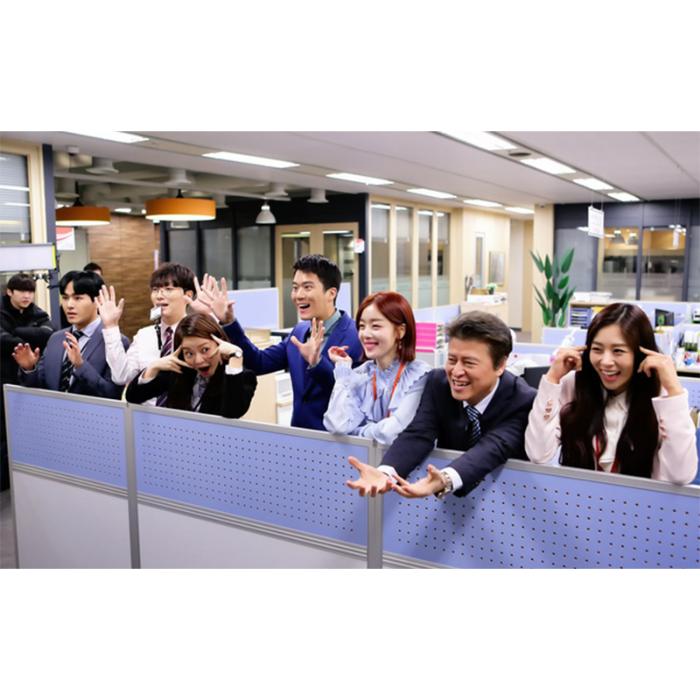
Food Processing – Stable Employment with High Standards of Discipline
Food manufacturing is another sector with consistent demand for workers.
Factories producing kimchi, ready-to-eat meals, confectionery, beverages and seafood products regularly recruit employees for a variety of positions.
Contrary to what some people imagine, most food processing facilities in South Korea operate under strict hygiene and food safety regulations. Employees are required to follow detailed procedures regarding protective clothing, personal hygiene and workplace sanitation before entering production areas.
Common responsibilities include:
-
Preparing ingredients
-
Supporting production lines
-
Packaging finished products
-
Quality inspections
-
Labelling and sorting products
Although these jobs do not usually require advanced technical skills, they demand a high level of attention to detail and personal discipline. Even a small mistake can affect the quality of an entire production batch.
Logistics – A Growing Industry Driven by E-commerce
The rapid expansion of e-commerce has created increasing demand for workers in logistics and distribution.
Distribution centres operate almost continuously to process large volumes of online orders every day.
Typical entry-level positions include:
-
Sorting goods
-
Picking customer orders
-
Stock and inventory management
-
Packaging items for delivery
-
Barcode and product verification
These roles require accuracy, organisation and teamwork. During peak shopping seasons, such as year-end holidays or major online sales events, workloads can become significantly heavier.
For students who enjoy active work environments and do not mind physically demanding tasks, logistics can be an attractive career option.
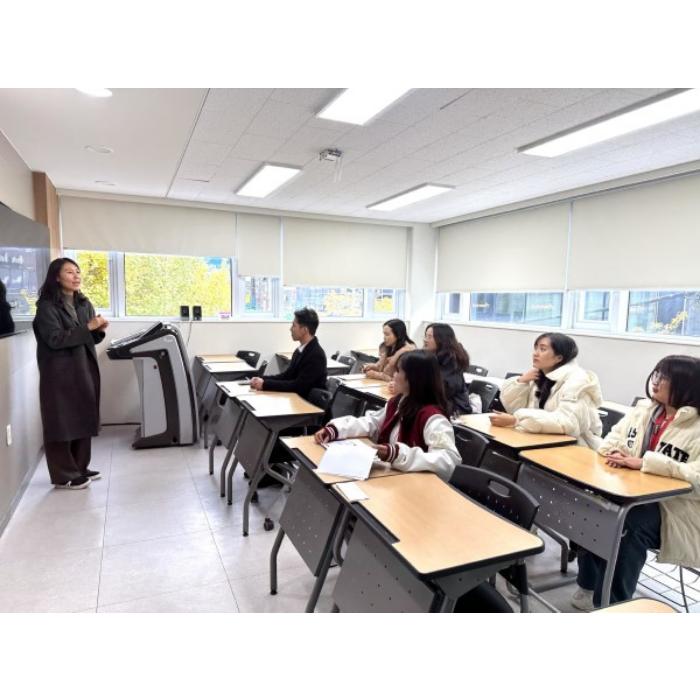
Restaurants and Hospitality – The Fastest Way to Improve Korean Communication Skills
While factory work helps develop discipline and consistency, the hospitality industry provides one of the best environments for improving spoken Korean.
Many international students begin their careers in positions such as:
-
Restaurant server
-
Cashier
-
Kitchen assistant
-
Barista
-
Customer service assistant
Every working day becomes an opportunity to communicate with customers, take orders, answer questions and cooperate with colleagues using Korean.
Many students report that after only a few months working in restaurants or cafés, their listening comprehension and conversational confidence improve significantly.
However, this industry also comes with its own challenges. Evenings and weekends are often the busiest periods, requiring employees to remain calm, polite and efficient under pressure.
For those who enjoy interacting with people and want to develop practical Korean language skills, hospitality offers value that extends far beyond the monthly salary.
As Korean language ability and communication skills improve, career opportunities also become more diverse.
Many Korean companies investing in Vietnam, as well as Vietnamese businesses operating in South Korea, actively recruit bilingual employees who can work in both Vietnamese and Korean.
Possible positions include:
-
Administrative assistant
-
Operations coordinator
-
Customer service representative
-
Import and export support
-
Interpreter or translator
-
Sales assistant
For Vietnamese international students, the ability to understand both languages and cultures is a significant competitive advantage. Many employers value employees who can help bridge communication and business cooperation between the two countries.
What Korean Employers Really Look For
Many people believe that lacking professional qualifications makes finding a job difficult. In reality, for many entry-level positions, Korean employers pay greater attention to an applicant's attitude than to previous work experience.
During an interview, recruiters often observe simple but important qualities:
-
Do you arrive on time?
-
Have you taken time to learn about the company?
-
Do you answer honestly instead of pretending to know everything?
-
Do you listen carefully before responding?
-
Do you demonstrate a willingness to learn and contribute, rather than focusing only on salary?
These seemingly small details often reveal how a person is likely to perform in the workplace.
For many employers, technical skills can be taught, but responsibility, professionalism and a positive work ethic must come from the individual.
Your First Job Is the Foundation of Your Future Career
Your first job is more than simply a source of income—it is the starting point of your professional journey.
Through everyday work, you will develop essential workplace skills such as punctuality, following procedures, teamwork, communication and problem-solving in a professional environment. These abilities remain valuable throughout your career, regardless of which industry you eventually choose.
Forward-thinking employers do not evaluate candidates solely on their current abilities. They also look for people with the potential to grow, learn and take on greater responsibilities in the future.
For that reason, your first job should not only be viewed as a way to earn money. It is also an opportunity to build credibility, gain practical experience and prepare yourself for positions with greater responsibility and better career prospects.
Think of your first few years of work as an investment in your future. The skills, discipline and professional habits you develop today will become the foundation for greater opportunities in the years ahead.
FOR FURTHER INFORMATION, PLEASE CONTACT
Song Da TOHOKU Joint Stock Company
Address: L02-L01, Area A, Duong Noi Urban Area, Duong Noi Ward, Hanoi, Vietnam
Website: https://tohoku.vn
Hotline: +84 989 044 852
Email: tohokusongda2014@gmail.com