


How Much Does It Cost to Study and Live in South Korea Each Month?
One of the most common questions asked by students and parents planning to study in South Korea is:
"How much money does an international student need each month?"
In reality, there is no single answer. Living expenses vary depending on the city, type of accommodation, personal spending habits, and whether you work part-time.
In this article, Song Da TOHOKU Joint Stock Company provides an overview of the estimated monthly living costs for Vietnamese international students in Seoul, Incheon, and Daejeon—three cities that host large numbers of international students, including many from Vietnam. These cities are home to numerous prestigious universities and vibrant student communities.
Basic Monthly Expenses
Most international students spend money on the following essential items each month:
-
Accommodation (dormitory or rented room)
-
Food
-
Electricity, water and gas
-
Mobile phone and Internet
-
Transportation
-
Health insurance
-
Textbooks and study materials
-
Personal expenses
-
Emergency or miscellaneous costs
With proper financial planning, most students are able to balance their living expenses while focusing on their studies.
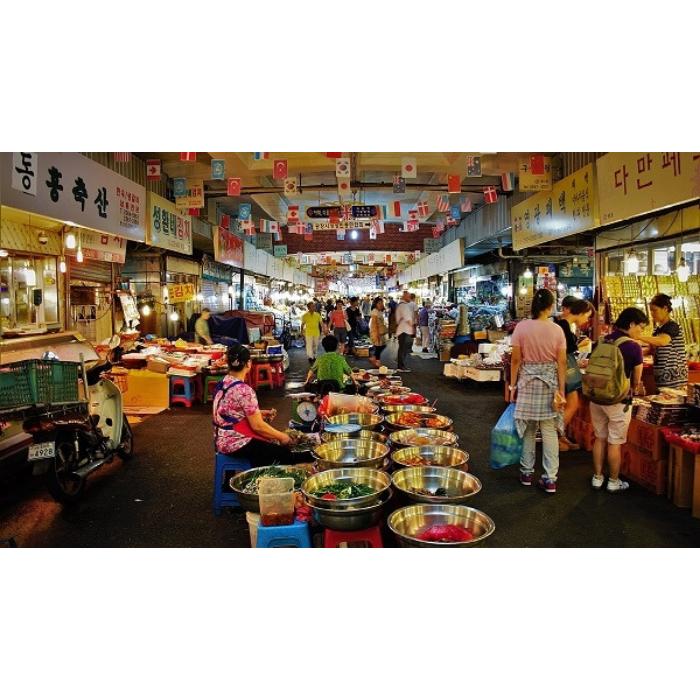
1. Seoul – Higher Living Costs but More Job Opportunities
As the capital of South Korea, Seoul is the country's economic, educational, and cultural centre. It is home to many leading universities, including Korea University, Yonsei University, Hanyang University, Konkuk University, Kyung Hee University, Sejong University, Chung-Ang University, Sungkyunkwan University, and Dongguk University.
However, Seoul also has the highest cost of living in the country.
Estimated Monthly Expenses
| Expense | Estimated Cost (KRW) |
|---|---|
| Accommodation | 450,000 – 750,000 |
| Food | 350,000 – 500,000 |
| Utilities | 60,000 – 120,000 |
| Mobile phone | 30,000 – 60,000 |
| Transportation | 60,000 – 90,000 |
| Personal expenses | 150,000 – 250,000 |
Estimated total: 1,100,000 – 1,700,000 KRW per month
Advantages
-
Abundant part-time job opportunities.
-
Generally higher hourly wages.
-
Excellent public transportation network.
-
A wide range of activities for international students.
Challenges
-
High accommodation costs.
-
Competitive job market.
-
Highest overall living expenses in South Korea.
2. Incheon – A Good Balance Between Cost and Opportunity
Located next to Seoul, Incheon has become a popular destination for international students thanks to its lower living costs while still offering convenient access to the capital via the subway network.
Universities such as Inha University, Incheon National University, and Gachon University (Medical Campus) attract a large number of international students every year.
Estimated Monthly Expenses
| Expense | Estimated Cost (KRW) |
|---|---|
| Accommodation | 350,000 – 600,000 |
| Food | 320,000 – 450,000 |
| Utilities | 50,000 – 100,000 |
| Mobile phone | 30,000 – 60,000 |
| Transportation | 50,000 – 80,000 |
| Personal expenses | 120,000 – 220,000 |
Estimated total: 920,000 – 1,500,000 KRW per month
Advantages
-
Lower living costs than Seoul.
-
Plenty of part-time employment opportunities.
-
Close to Incheon International Airport.
-
Easy access to Seoul for study or leisure.
Challenges
-
Average wages may be slightly lower than in central Seoul.
-
Fewer entertainment options in some districts.
3. Daejeon – An Academic City with Affordable Living Costs
Known as South Korea's "Science City", Daejeon is home to renowned institutions such as KAIST, Chungnam National University, and Hannam University.
It is an excellent choice for students seeking a more affordable and academically focused environment.
Estimated Monthly Expenses
| Expense | Estimated Cost (KRW) |
|---|---|
| Accommodation | 250,000 – 500,000 |
| Food | 300,000 – 420,000 |
| Utilities | 50,000 – 90,000 |
| Mobile phone | 30,000 – 60,000 |
| Transportation | 30,000 – 60,000 |
| Personal expenses | 100,000 – 180,000 |
Estimated total: 760,000 – 1,300,000 KRW per month
Advantages
-
Affordable living expenses.
-
Peaceful study environment.
-
Lower accommodation costs.
-
Ideal for students focusing on research and academic development.
Challenges
-
Fewer part-time job opportunities compared with Seoul.
-
Smaller entertainment and nightlife scene.
Cost Comparison
| Category | Seoul | Incheon | Daejeon |
|---|---|---|---|
| Accommodation | High | Moderate | Low |
| Food | High | Moderate | Moderate |
| Transportation | High | Moderate | Low |
| Part-time Jobs | Excellent | Good | Fair |
| Average Earnings | High | Moderate to High | Moderate |
| Monthly Living Cost | 1.1–1.7 million KRW | 0.92–1.5 million KRW | 0.76–1.3 million KRW |
Can Part-Time Work Cover Living Expenses?
Many international students take part-time jobs to help pay for their daily expenses. However, whether they can fully support themselves depends on several factors, including:
-
Regulations governing part-time employment under their visa.
-
Korean language proficiency.
-
Academic performance and attendance.
-
Local wage levels.
-
Personal budgeting skills.
In practice, many students are able to cover a significant portion of their living expenses through part-time work if they manage their finances carefully and comply with Korean immigration regulations.
However, students should not assume that part-time income will be sufficient to cover all tuition fees and living costs, as job availability and earnings vary by region and economic conditions.
Practical Ways to Reduce Living Expenses
Many international students save money by adopting simple but effective habits, such as:
-
Living in a university dormitory during the first year.
-
Cooking at home instead of eating out regularly.
-
Shopping for discounted groceries in the evening.
-
Using public transportation.
-
Buying second-hand textbooks or borrowing them from the library.
-
Sharing accommodation with roommates.
Small daily savings can make a significant difference over the course of an academic year.
Advice for Students and Parents
When choosing a university, tuition fees and rankings should not be the only factors to consider.
Students and parents should also evaluate:
-
The overall cost of living in the city.
-
Availability of suitable part-time jobs.
-
Quality of education.
-
Learning environment.
-
Family financial capacity.
-
Long-term academic and career goals.
For many students, studying in a city with a lower cost of living may be a more practical and sustainable choice than attending a prestigious university in a much more expensive location.
Conclusion
Living costs in South Korea vary considerably from one city to another. Seoul offers excellent educational resources and employment opportunities but comes with the highest expenses. Incheon provides a good balance between affordability and opportunity, while Daejeon is an attractive option for students seeking lower living costs and a quieter academic environment.
The key to a successful study abroad experience is careful financial planning before departure. A realistic budget will help students reduce financial pressure, focus on their studies, and enjoy a more rewarding and sustainable life in South Korea.
FOR FURTHER INFORMATION, PLEASE CONTACT
Song Da TOHOKU Joint Stock Company
Address: L02-L01, Area A, Duong Noi Urban Area, Duong Noi Ward, Hanoi, Vietnam
Website: https://tohoku.vn
Hotline: +84 989 044 852
Email: tohokusongda2014@gmail.com