


When parents consider sending their children to study in China, the first question is often not about tuition fees or majors, but a much more practical concern: “Will my child be safe living there?” This is entirely understandable, especially in a landscape of mixed information where it can be difficult to form a clear and reliable picture.

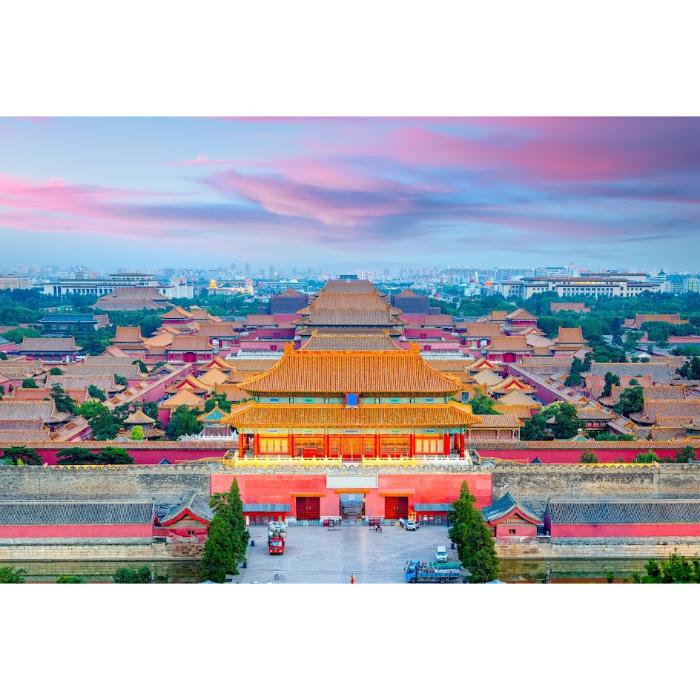
However, based on real-life experiences shared by Vietnamese students in recent years—particularly since 2023, when international programmes fully resumed—the living environment in China can be understood more accurately. It may not be “absolutely risk-free,” but it is generally structured, well-managed, and stable.

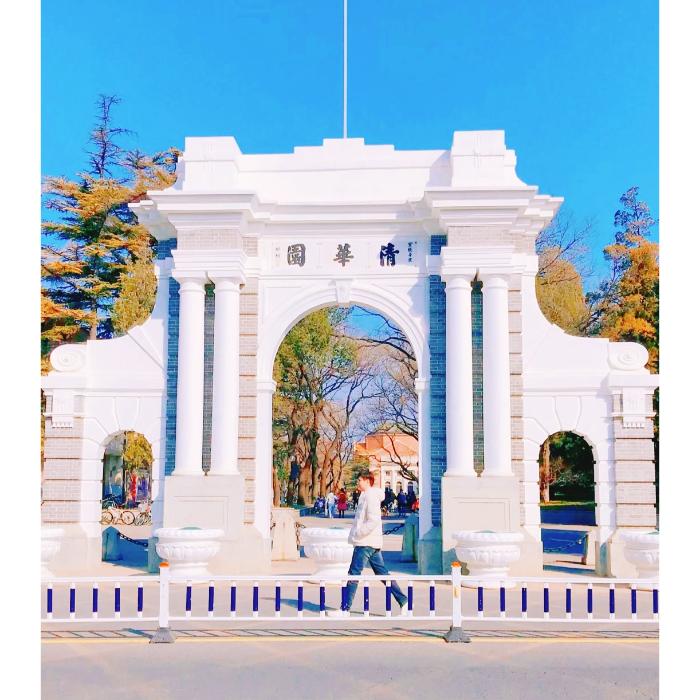
One of the most notable aspects is how Chinese universities organise student life. Most international students live on campus, where the environment functions almost as a self-contained ecosystem. Dormitories, cafeterias, convenience stores, libraries, and sports facilities are all located within the same परिसर. For many Vietnamese students, this means they rarely need to travel far, especially during the initial period when they are still adjusting to the language and culture.
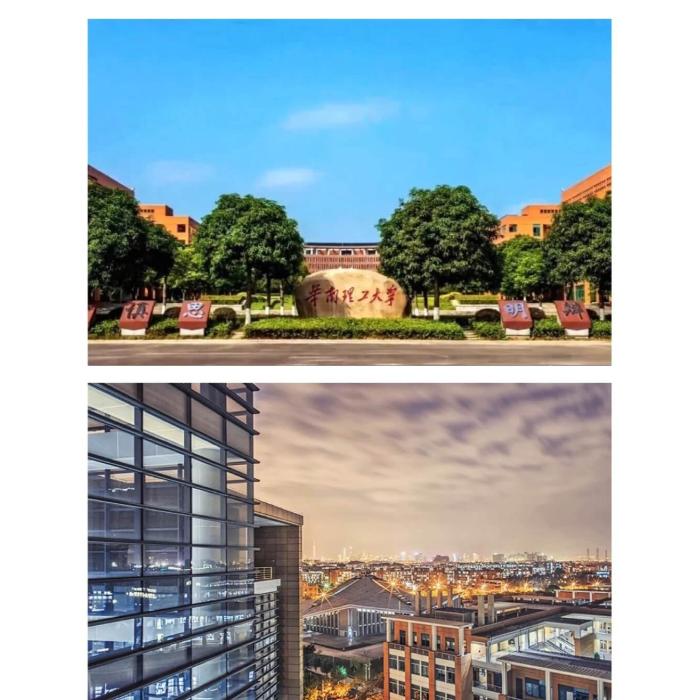
This “closed-campus” model naturally enhances safety. In addition, universities have dedicated international student offices that provide support ranging from administrative procedures to handling unexpected situations. Student dormitories are typically equipped with security personnel, surveillance systems, and controlled access policies. After gaining a clearer understanding, many parents realise that their children will spend most of their time in a supervised environment rather than navigating unfamiliar surroundings independently.
That said, living experiences can vary significantly between cities, and this directly shapes students’ perceptions.
In Beijing, the environment is often described as structured and disciplined. As the political and educational centre of the country, universities here tend to enforce stricter regulations—from dormitory access hours to academic requirements. Many Vietnamese students note that life in Beijing feels orderly and focused, making it suitable for those who prefer a stable, academically driven environment. While this contributes to a strong sense of security, it can also feel somewhat restrictive, especially for students who are not yet accustomed to independence.
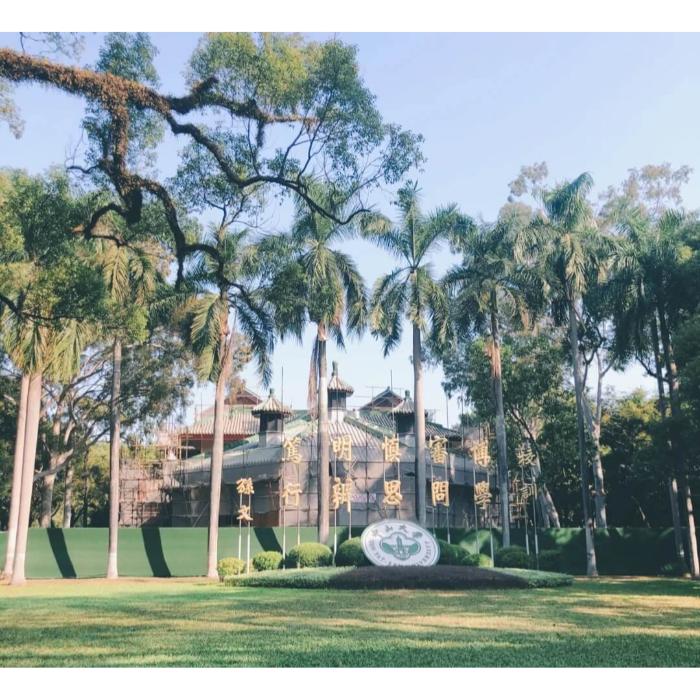
By contrast, Shanghai offers a more open and international experience. As one of China’s most globalised cities, it boasts modern infrastructure, efficient public transportation, and a dynamic lifestyle. Students often find it easier to adapt here, with more opportunities for social interaction, part-time work, and exposure to international environments. However, this convenience comes with higher living costs and a faster pace of life, requiring stronger adaptability.
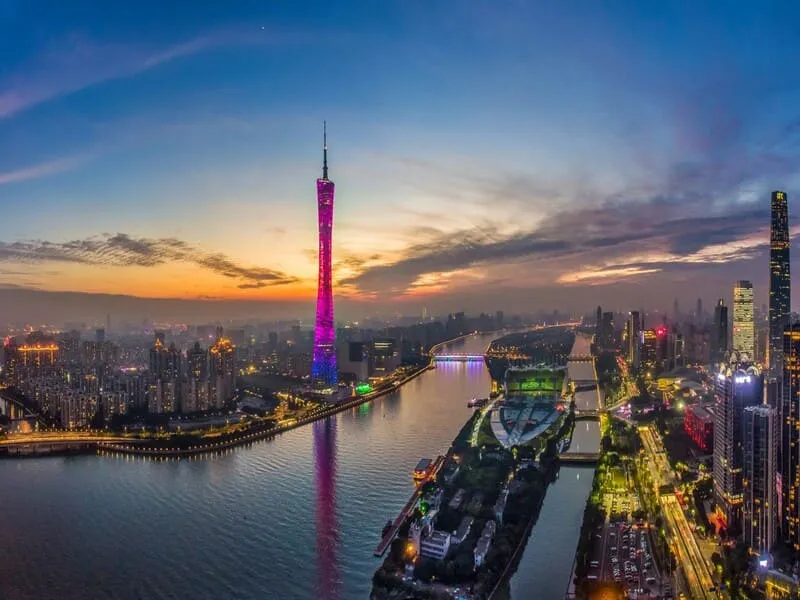
Guangzhou is often seen as a balanced option. Its proximity to Vietnam and the presence of a relatively large Vietnamese community make it easier for new students to settle in. The academic environment is generally less intense than in Beijing, while the cost of living remains more affordable than in Shanghai. Recent student experiences also highlight opportunities for cultural exchange and international learning, making Guangzhou a practical and accessible choice for many families.
Across all three cities, one consistent observation stands out: the sense of safety does not solely come from the broader society, but largely from the internal management systems within universities. Chinese campuses are typically self-contained, with controlled access and limited exposure to external risks. This structured environment plays a key role in ensuring student safety.
Of course, no place is entirely risk-free. Minor issues such as losing belongings in crowded areas or initial communication difficulties may occur, particularly during the early stages of adjustment. However, serious safety concerns are rare within university campuses, where students spend the majority of their time.
For this reason, rather than asking simply, “Is China safe?”, parents should approach the issue more practically: Which university offers strong student management? What are the dormitory conditions like? Does the city suit the student’s personality and ability to adapt? These are the factors that truly determine a student’s day-to-day experience.
Overall, China is not a high-risk environment for international students, especially in major cities. With structured management systems and well-organised campus life, it is a suitable destination for students who benefit from stability and clear direction. When carefully prepared and thoughtfully chosen, studying abroad becomes not a source of concern, but a safe and well-guided step towards maturity.
For more details of our study abroad and working overseas program, please contact:
TOHOKU SONG DA JOINT STOCK COMPANY
Address: No. 4, Alley 180 Thai Thinh, Dong Da Ward, Hanoi, Vietnam
Hotline: 0989044852
Email: tohokusongda2014@gmail.com