


When people think of studying in South Korea, they often picture modern university campuses, the vibrant streets of Seoul, and the opportunity to balance study with part-time work. However, life as an international student in Korea offers far more than that.
It is a journey of becoming independent, adapting to a new culture, overcoming language barriers, and growing stronger with each passing day.
The First Few Months Are Always the Most Challenging
Most Vietnamese students experience a period of uncertainty and culture shock when they first arrive in South Korea.
Everything feels different:
-
The weather is colder and drier than in Vietnam.
-
The subway system is extensive but remarkably punctual.
-
Daily life moves at a fast pace, and people are constantly busy.
-
Koreans are generally less likely to start conversations with strangers.
Many international students say that the greatest challenge is not the academic workload, but the feeling of loneliness during the first few months.
This is the time to actively make new friends, join university clubs, and communicate confidently to integrate into your new environment more quickly.
Student Dormitories – Learning to Live with Others
For first-year students, university dormitories are often the most popular accommodation option.
Living in a dormitory helps reduce living expenses but also requires discipline and respect for shared spaces.
Many universities have regulations such as:
-
No excessive noise after designated quiet hours.
-
Proper waste separation and recycling.
-
No cooking inside dormitory rooms.
-
Regular room inspections.
-
Curfews for certain Korean language programmes.
Many international students believe that dormitory life teaches them to become more organised, respect communal living, and develop greater independence.
The Biggest Challenge Is the Korean Language
Many students believe that achieving a TOPIK certificate is enough.
In reality, the greatest challenge is attending lectures conducted entirely in Korean, participating in group discussions, delivering presentations, and writing academic reports.
At university, students are often required to:
-
Complete group assignments.
-
Give presentations in class.
-
Write academic reports.
-
Communicate directly with professors.
Therefore, in addition to preparing for the TOPIK examination, students should practise practical Korean communication every day.
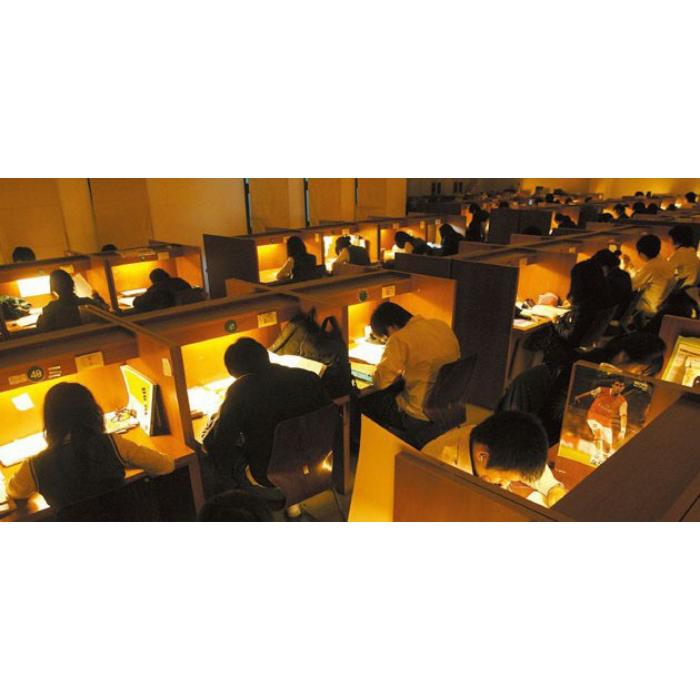
(Students studying in the university library)
Group Learning Is an Essential Part of University Life
Unlike many universities in Vietnam, Korean universities place strong emphasis on teamwork.
A single course may require students to:
-
Participate in discussions.
-
Deliver presentations.
-
Complete group projects.
-
Submit final reports.
This is also an excellent opportunity to build friendships with Korean students and classmates from around the world.
Although language differences may seem challenging at first, actively participating in group activities will significantly improve both your Korean language skills and your confidence.
The Senior–Junior Culture
One distinctive feature of Korean university life is the senior–junior (Sunbae–Hoobae) culture.
Senior students often:
-
Share study materials.
-
Provide guidance on course registration.
-
Recommend part-time job opportunities.
-
Support new students as they adapt to university life.
In return, first-year students are expected to show courtesy and respect towards their seniors.
This tradition is a unique and important aspect of campus life in South Korea.
MT and OT Activities Help Students Settle In
At the beginning of each academic year, many universities organise:
-
OT (Orientation) – introducing new students to university life.
-
MT (Membership Training) – an overnight or short-term retreat designed to strengthen relationships among students within the same department.
These activities provide excellent opportunities to expand social networks, gain a deeper understanding of Korean culture, and improve communication skills.
Many lifelong friendships among international students begin during these programmes.
Part-Time Work Is About More Than Earning Money
Once they meet the requirements under Korean regulations, many international students take part-time jobs to help cover living expenses and gain valuable work experience. Eligibility, permitted working hours, and academic or TOPIK requirements vary depending on the student's visa type and current government regulations.
Common part-time jobs include:
-
Cafés.
-
Restaurants.
-
Convenience stores.
-
Supermarkets.
-
Warehouses.
-
Food packaging factories.
-
Interpreting at exhibitions and events.
According to many international students, part-time work is not only a source of income but also one of the fastest ways to improve Korean language skills and understand Korean workplace culture.
However, students who focus solely on earning money while neglecting their studies may encounter difficulties when renewing their visas or completing their academic programmes.
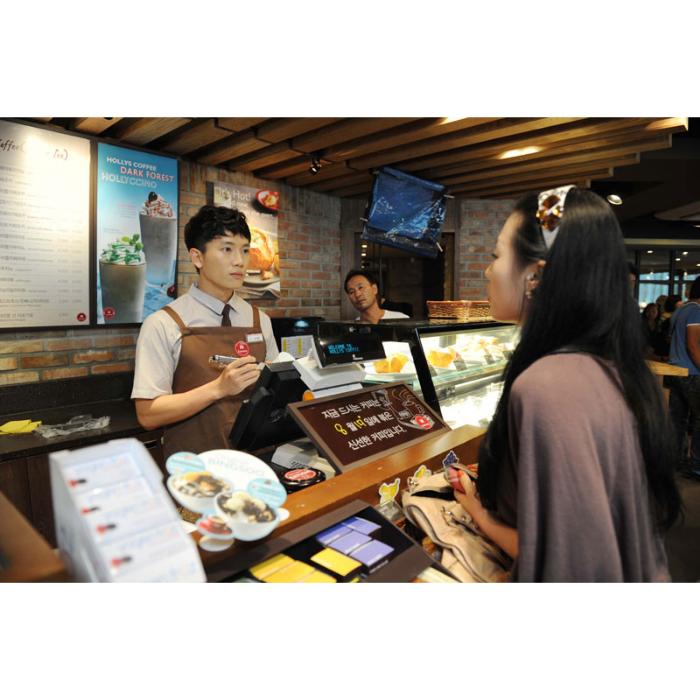
(Part-time work)
Courtesy Is Highly Valued in Korean Society
You will quickly notice that politeness plays a significant role in everyday life in South Korea.
Good habits to develop include:
-
Bowing when greeting professors or older people.
-
Using appropriate honorific language.
-
Speaking quietly on public transport.
-
Queuing patiently while waiting for buses or shopping.
-
Respecting schedules and always being punctual.
These seemingly small behaviours can leave a positive impression both at university and in the workplace.
Living Costs Depend on the Region
Living expenses vary considerably across South Korea.
-
Seoul has the highest accommodation and food costs.
-
Cities such as Incheon, Suwon, and Daejeon generally offer more affordable living expenses.
-
Smaller cities often have lower housing costs, although part-time job opportunities may be fewer.
Therefore, when selecting a university, students should consider not only its reputation but also the overall cost of living in the surrounding area.
Winter Is the First Major Test
For many Vietnamese students, experiencing a Korean winter is something entirely new.
Temperatures in many regions fall below 0°C, and in some areas they drop well below freezing.
Students should prepare:
-
A warm down jacket.
-
Non-slip winter shoes.
-
Thermal clothing.
-
Moisturiser and lip balm to protect against the dry weather.
Once they become accustomed to the cold, many international students find themselves enjoying snowy landscapes and Korea's famous winter festivals.
Don't Limit Yourself to the Vietnamese Community
A common mistake among international students is socialising only with fellow Vietnamese students.
Doing so may slow the development of Korean language skills.
Instead, try to:
-
Make friends with Korean students.
-
Join university clubs.
-
Participate in campus festivals.
-
Take part in volunteer activities.
-
Speak Korean every day whenever possible.
These experiences will help you grow faster and make your study abroad journey far more rewarding.
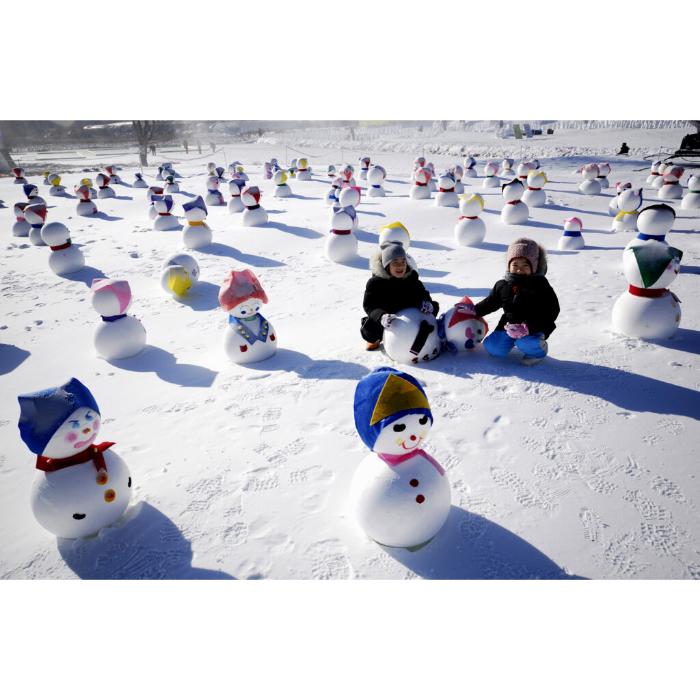
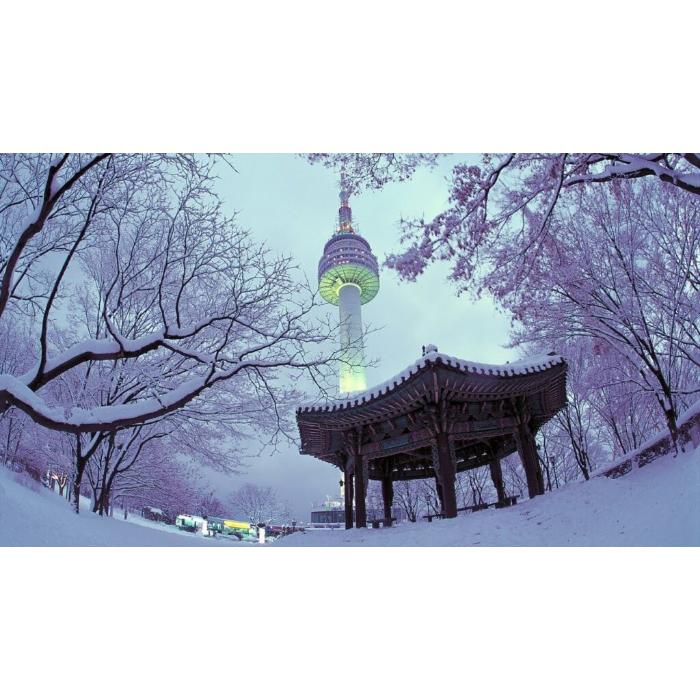
(Winter holidays and winter festivals)
Studying Abroad Is About Personal Growth
Studying abroad is much more than earning a university degree.
It is an opportunity to become independent, develop financial management skills, adapt to an international environment, respect cultural diversity, and grow as an individual.
The success of your study abroad journey should not be measured by how many hours you worked or how much money you earned. Instead, it should be measured by the knowledge, experiences, and personal values you gain throughout your years of studying and living in South Korea.
FOR FURTHER INFORMATION, PLEASE CONTACT
Song Da TOHOKU Joint Stock Company
Address: L02-L01, Area A, Duong Noi Urban Area, Duong Noi Ward, Hanoi, Vietnam
Website: https://tohoku.vn
Hotline: +84 989 044 852
Email: tohokusongda2014@gmail.com