


Japan has a well-established publishing industry and a strong reading culture. Every year, millions of books, magazines, manga, textbooks, and other printed materials are published across the country. To ensure these publications are completed to a high standard before reaching readers, bookbinding companies continue to recruit a stable workforce, including technical intern trainees and skilled workers from Vietnam.
Bookbinding is one of the occupations that offers stable employment, a clean working environment, and opportunities to develop practical skills. It is particularly suitable for people who are careful, patient, and enjoy detailed work.
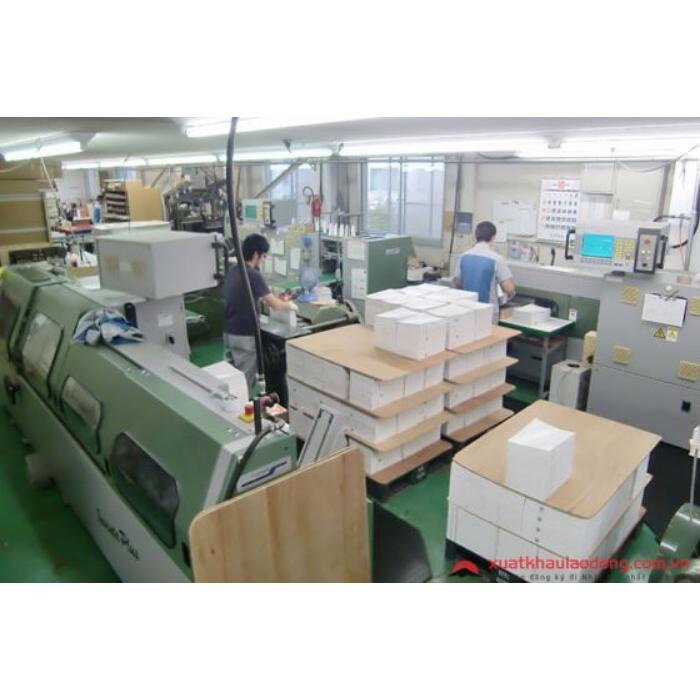
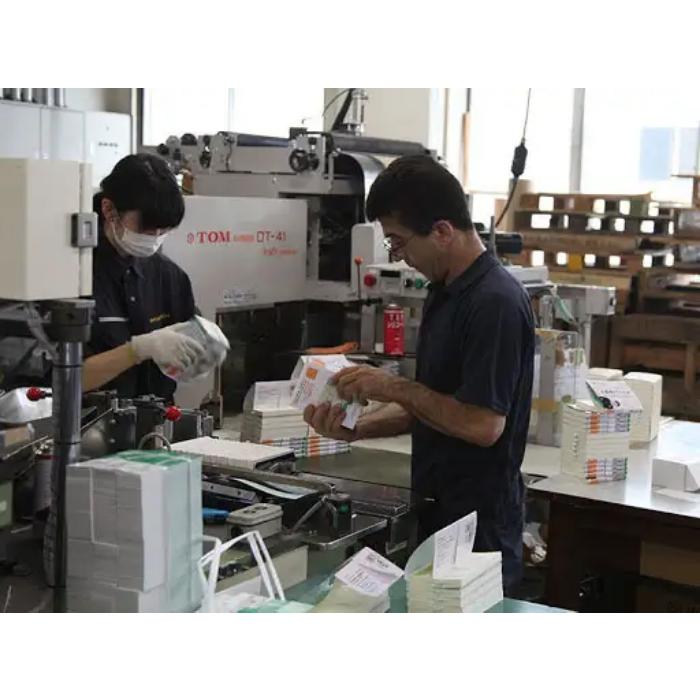
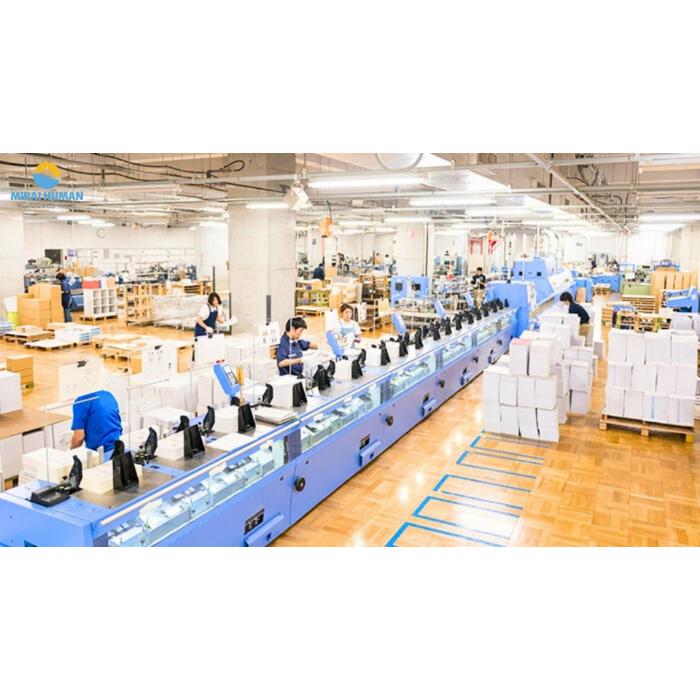
What Does a Bookbinding Worker Do?
After books and other printed materials have been produced, they go through several finishing processes before becoming completed products. Depending on the company and production line, workers may be responsible for tasks such as:
-
Arranging printed pages in the correct order.
-
Inspecting printed materials to identify missing pages, printing defects, or pages assembled incorrectly.
-
Folding printed sheets.
-
Binding books using staples or adhesive binding.
-
Attaching covers and completing the finishing process.
-
Trimming books to their required size.
-
Packing finished products for shipment.
-
Operating, monitoring, and checking bookbinding machinery.
In many modern factories, much of the production process is automated. Workers are mainly responsible for operating equipment, monitoring production, and inspecting finished products to ensure they meet quality standards before leaving the factory.
A Clean and Modern Working Environment
Bookbinding factories in Japan provide clean, organised, and well-managed workplaces. Production areas are carefully arranged to improve efficiency while maintaining high standards of safety and product quality.
Before starting work, employees receive training on production procedures, machine operation, workplace safety, and quality control. Japanese companies place great importance on accuracy, teamwork, workplace discipline, and continuous quality improvement, creating a professional and supportive working environment.
Is This Job Suitable for Beginners?
Many companies provide practical training before employees begin their regular duties. As a result, previous experience in printing or bookbinding is not always required.
However, the work does require concentration and attention to detail. Even a small mistake, such as missing pages, pages assembled in the wrong order, or a damaged cover, can affect the quality of the finished product. Workers are therefore expected to follow procedures carefully and complete each task accurately.
Reliability, punctuality, and the ability to work well as part of a team are also highly valued by Japanese employers.
Salary and Employee Benefits
Employees working in Japan's bookbinding industry receive employment benefits in accordance with Japanese labour laws and the terms of their employment contracts.
Typical benefits include:
-
Stable monthly income based on regional wage standards and company policies.
-
Overtime opportunities with overtime pay in accordance with Japanese labour regulations.
-
Enrolment in the required social insurance programmes.
-
Paid annual leave and public holidays.
-
Guidance and support throughout both work and daily life in Japan.
Actual earnings will vary depending on the prefecture, employer, basic salary, overtime hours, and company policies.
Skills You Can Develop
Working in the bookbinding industry provides more than just a stable income. It also allows employees to gain valuable technical skills and workplace experience, including:
-
Understanding modern bookbinding and printing processes.
-
Developing quality inspection skills.
-
Improving accuracy, patience, and attention to detail.
-
Building professional work habits, including punctuality and discipline.
-
Strengthening teamwork and communication skills.
-
Improving Japanese language ability through everyday work and life.
These skills remain valuable long after completing the programme and can support future career opportunities in both Japan and Vietnam.
Challenges to Be Aware Of
Like any manufacturing job, bookbinding also presents certain challenges that workers should understand before applying.
Some positions require employees to stand for long periods and work continuously on production lines. During busy publishing seasons, overtime may be required to meet production schedules.
Good physical health, sustained concentration, and a strong sense of responsibility will help workers adapt successfully and perform their duties effectively.
Opportunities for Vietnamese Workers
Demand for workers in Japan's bookbinding industry remains stable. It is an excellent choice for people who prefer a clean working environment, enjoy detailed work, and would like to gain experience with Japan's advanced manufacturing systems.
If you are looking for stable employment, opportunities to develop practical skills, and valuable international work experience, bookbinding is an industry well worth considering.
Before applying, it is advisable to carefully review the recruitment requirements, salary, workplace location, departure schedule, and other employment conditions through a reputable sending organisation.
FOR MORE DETAILS OF OUR STUDY ABROAD AND WORKING OVERSEAS PROGRAM, PLEASE CONTACT:
SONG DA TOHOKU JOINT STOCK COMPANY
Address: No. 4, Alley 180 Thai Thinh Street, Dong Da Ward, Hanoi, Vietnam
Hotline: +84 989 044 852
Email: tohokusongda2014@gmail.com