


As Japan enters June, the country also begins its rainy season — a time when light showers become more frequent, the atmosphere turns calmer, and summer festivals gradually begin across many regions. Although June may not be as lively and energetic as July or August, it carries a unique charm of its own: gentle, traditional, and deeply connected to local culture.
For many Vietnamese international students and technical intern trainees living in Japan, this is also a season when they can more clearly experience the rhythm of daily life and traditional Japanese culture through long-established local festivals.
Sanno Matsuri Festival – Tokyo
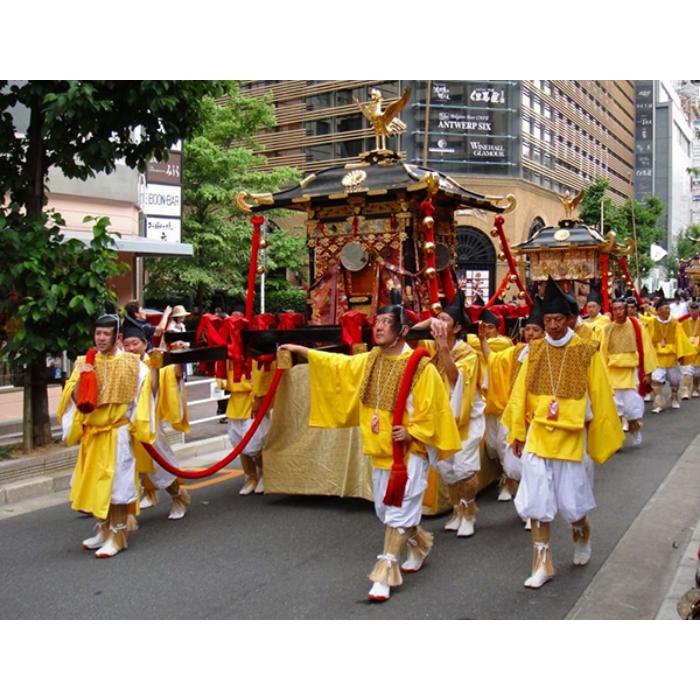
Sanno Matsuri
Sanno Matsuri is considered one of Tokyo’s three most famous traditional festivals and is held at Hie Shrine. With a history spanning hundreds of years, the festival was once regarded as an important event among samurai during the Edo period.
One of the most distinctive features of Sanno Matsuri is the grand mikoshi processions, where participants dress in traditional Japanese attire and parade through central Tokyo streets. The atmosphere is both solemn and vibrant, creating a striking contrast to the modern pace of everyday life in Japan’s capital city.
For many Japanese people, the festival is not only a cultural celebration but also an occasion to pray for peace, good harvests, and stability in life.
Chagu Chagu Umakko Festival – Iwate
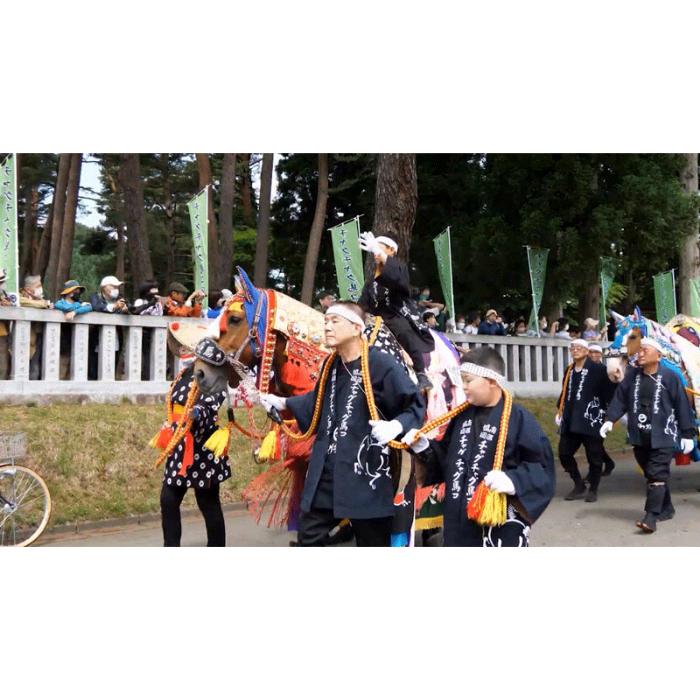
Chagu Chagu Umakko
Among Japan’s unique June festivals, Chagu Chagu Umakko stands out for its distinctive character. Held in Iwate Prefecture, the festival features dozens of horses decorated with colourful ornaments and bells as they parade along local roads.
The sound “chagu chagu,” created by the ringing horse bells, is also the origin of the festival’s name.
Originally, the festival was organised to express gratitude to the horses that supported local people in farming and daily life. Today, it has become a symbolic cultural tradition of the Tohoku region in northeastern Japan.
Atsuta Matsuri Festival – Nagoya
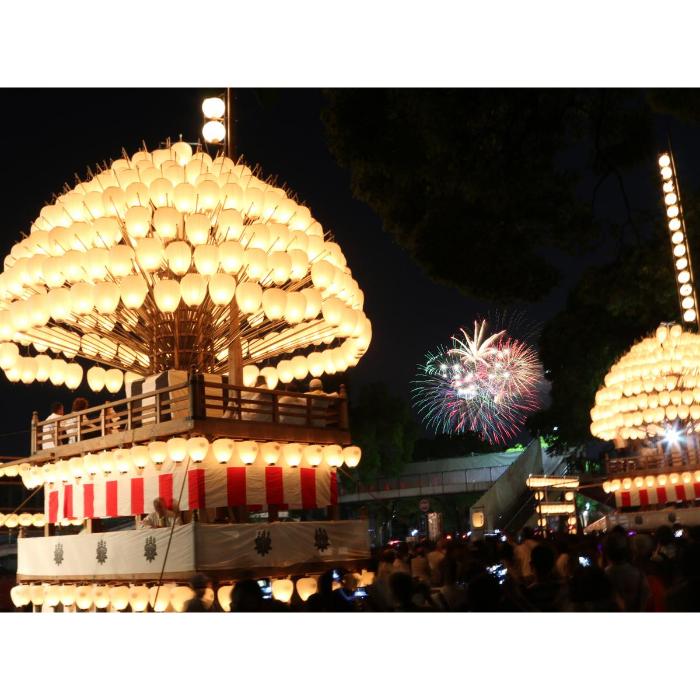
Atsuta Matsuri
Held at the famous Atsuta Jingu Shrine in Nagoya, Atsuta Matsuri marks the arrival of summer in the region.
During the festival, visitors can enjoy traditional martial arts performances, Japanese dance, archery demonstrations, and especially the evening fireworks display.
The atmosphere is lively yet welcoming, and many Japanese families take the opportunity to wear yukata and participate in community activities together.
Otaue Rice Planting Festival – Osaka
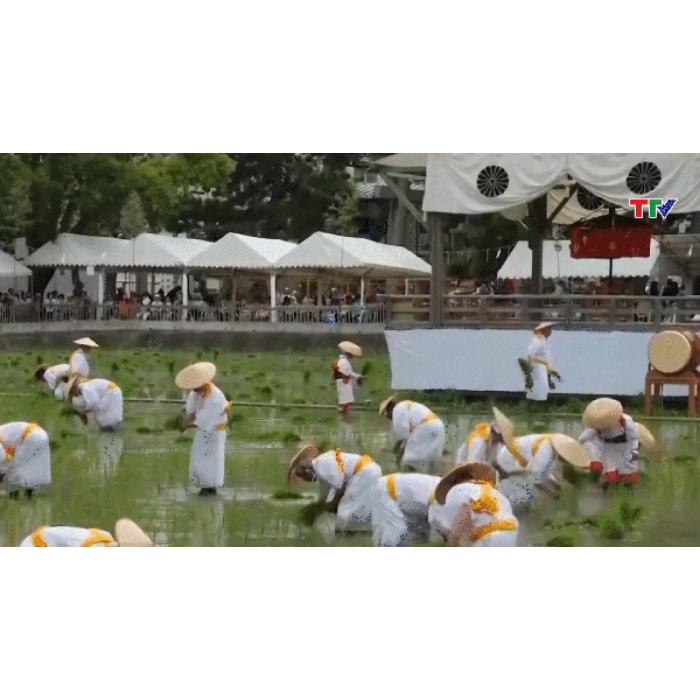
Sumiyoshi Otaue Festival
The Otaue Festival in Osaka is a traditional ceremony closely connected to Japanese agriculture. Participants recreate the rice-planting process accompanied by traditional music and folk dances.
Although ceremonial in nature, the festival continues to attract large numbers of local residents and visitors thanks to its peaceful atmosphere and strong sense of old Japanese cultural traditions.
Festivals such as these reflect how deeply Japanese people value their connection with nature, seasonal cycles, and community life.
June – A Different Side of Japan
Many people consider cherry blossom season or autumn foliage to be the most beautiful times of year in Japan. However, June offers a very different experience: rain-soaked streets, blooming hydrangeas, and traditional festivals unfolding in a calmer and more relaxed atmosphere.
For young people preparing to study or work in Japan, learning about these festivals can also provide a deeper understanding of Japanese culture, local customs, and the way traditions are preserved within modern society.
Each region of Japan has its own unique festivals, and sometimes these everyday cultural experiences become the most memorable part of one’s journey studying and working abroad.
For more details of our study abroad and working overseas program, please contact:
TOHOKU SONG DA JOINT STOCK COMPANY
Address: No. 4, Alley 180 Thai Thinh Street, Dong Da Ward, Hanoi, Vietnam
Hotline: 0989044852
Email: tohokusongda2014@gmail.com