


I. Overview of Guangdong Province
Guangdong is a coastal province in southern China, with its development centred around the Pearl River Delta—one of the largest urban and industrial regions in the world.
The province has the strongest economy in China, driven by manufacturing, exports, and technology. It is also one of the earliest regions to open up to international trade, with a high level of global integration.
Culturally, Guangdong is not homogeneous. Three major cultural groups—Cantonese, Teochew, and Hakka—coexist and develop in parallel.
The province consists of 21 cities, which can be grouped into four distinct development clusters, each with its own characteristics.
II. The 21 Cities by Development Clusters
1. Pearl River Delta (PRD) – Economic Core
Guangzhou serves as the centre of the Pearl River Delta and the main commercial hub of the province. It functions as a key international trading gateway and represents the most established form of traditional Cantonese culture.
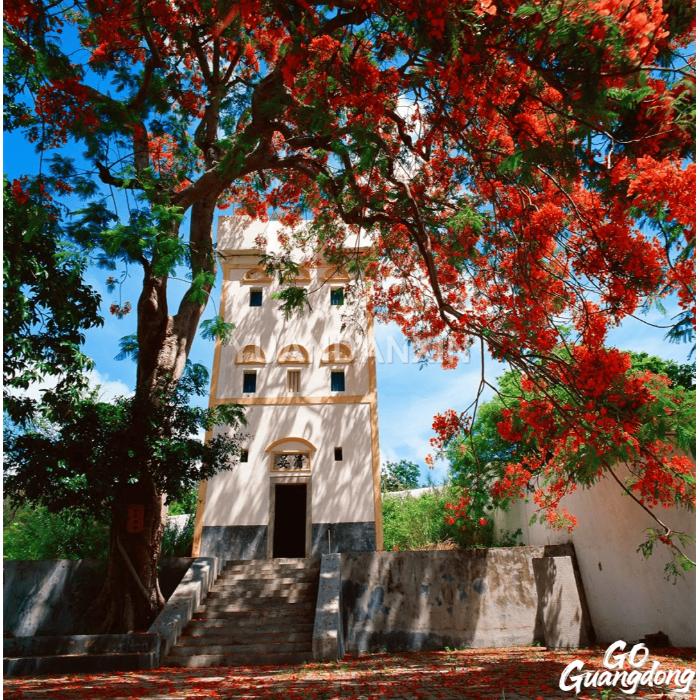
Shenzhen is located next to Hong Kong and has grown rapidly as a Special Economic Zone. It represents China’s high-tech economy, with a strong concentration of innovative enterprises and a young workforce.
Foshan is situated near Guangzhou and has developed a strong base in light industry. At the same time, it preserves traditional cultural elements such as martial arts and lion dance.
Dongguan is one of the largest manufacturing centres in the region, with a high density of export-oriented factories. Its population is largely made up of migrant workers.
Zhuhai is a coastal city bordering Macau, with development balanced between tourism and light technology industries. It offers a relatively high quality of living and a slower pace compared to major industrial cities.
Zhongshan occupies a central position within the region and develops mainly through medium-scale industries. It is also known as the hometown of Sun Yat-sen, giving it historical significance.
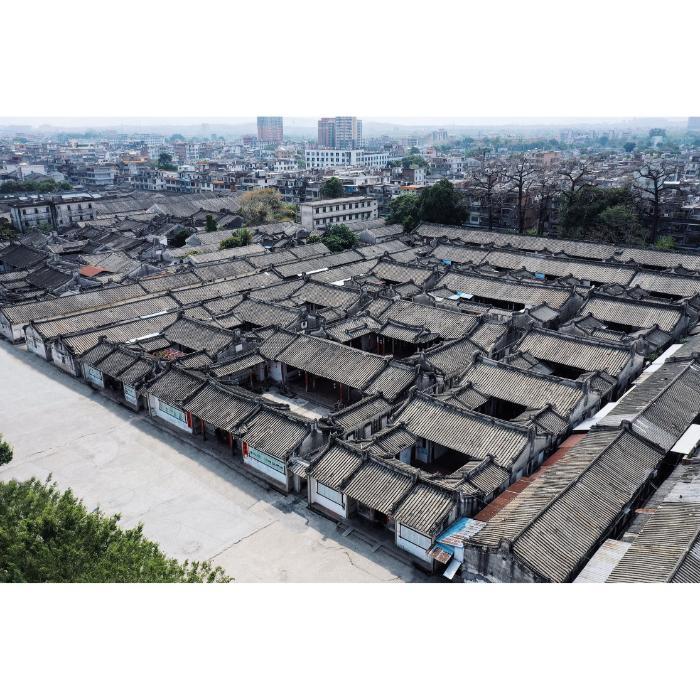
Jiangmen lies in the western part of the PRD and maintains strong ties with overseas Chinese communities. Its economy combines local industry with remittances from abroad.
Huizhou features a diverse landscape of both coastline and mountains. It focuses on electronics and petrochemicals while maintaining a balance between urban growth and the natural environment.
Zhaoqing serves as the western gateway to the core economic zone. The city develops both industry and tourism, supported by its mountainous and lake-rich landscape.
2. Eastern Guangdong – Traditional Commerce
Shantou is an important port city and a former Special Economic Zone. It serves as a centre for the Teochew community, with strong traditions in business and international connections.
Chaozhou is located near Shantou and is known for its handicrafts and cuisine. The city has preserved many traditional cultural elements and has experienced slower urbanisation.
Jieyang lies inland but close to the coast and develops through small-scale manufacturing. Local residents are known for their entrepreneurial mindset and adaptability.
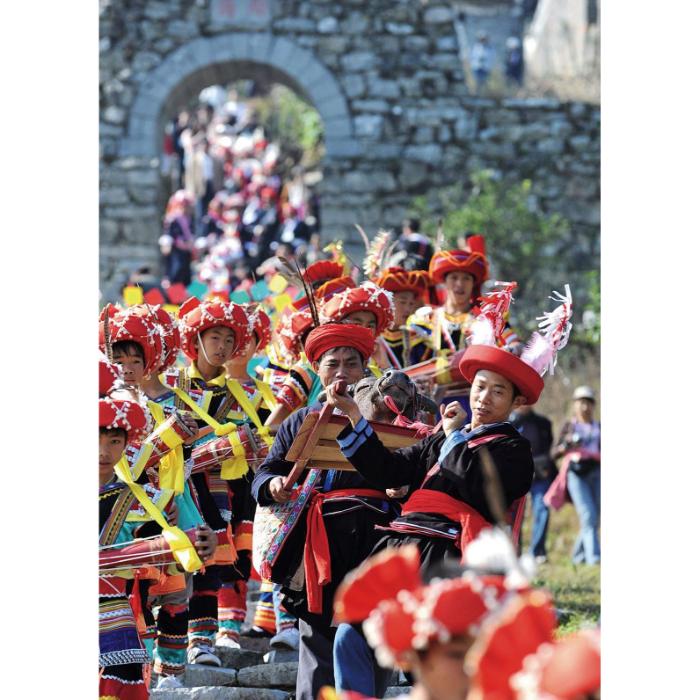
Shanwei is a coastal city whose economy is based on fisheries and energy. Its lifestyle reflects a transition between urban and rural characteristics.
3. Western Guangdong – Industry and Port Economy
Zhanjiang is located on the Leizhou Peninsula and possesses a major deep-water port. It has developed strong heavy industries, particularly in oil, gas, and steel.
Maoming is another coastal industrial centre, where the petrochemical sector plays a dominant role. Its economy is closely linked to energy production.
Yangjiang develops through a combination of traditional manufacturing and the marine economy. The city is well known for knife production and seafood industries.
4. Northern Guangdong – Ecology and Mountainous Areas
Shaoguan is a mountainous city in the north, focusing on eco-tourism. It features rich natural landscapes and faces less pressure from industrialisation.
Qingyuan is located near Guangzhou and has been developing rapidly due to this proximity. Its economy relies on tourism and agriculture, while also benefiting from spillover effects from the core region.
Heyuan is characterised by lakes and mountains, with an economy centred on hydropower and ecological development. Urbanisation here remains relatively low.
Meizhou is recognised as a centre of Hakka culture. The city retains a strong cultural identity and relies primarily on agriculture.
Yunfu is located inland and is known for its mining industry, particularly stone resources. Compared to other regions, its development pace is slower.
III. Overall Assessment
Development across Guangdong is highly uneven. The Pearl River Delta acts as the economic core, while other regions develop at a slower pace and rely more on natural resources or geographic advantages.
Culturally, Guangdong is diverse rather than unified, with multiple groups coexisting and shaping differences in language, customs, and lifestyle.
People in Guangdong tend to be practical, business-oriented, and adaptable. A long history of migration has also contributed to their outward-looking mindset.
The province plays a key role as one of China’s main international trade gateways, with strong connections to Hong Kong and Macau.
IV. Conclusion
Guangdong operates as a multi-centre development system, where each region serves a distinct function. The Pearl River Delta drives economic growth, the eastern region preserves traditional commerce, the western region focuses on heavy industry, and the northern region maintains ecological balance and cultural identity.
These differences create overall strength while also being an important factor to consider when choosing a place to study or work within the province.