


Japan is one of the world's leading countries in the seafood industry. With strong domestic demand and a thriving seafood export market, Japanese companies regularly recruit Technical Intern Trainees to work in seafood processing. This is a stable occupation that is well suited to many Vietnamese workers, offering valuable opportunities to gain practical skills while building savings during their time in Japan.
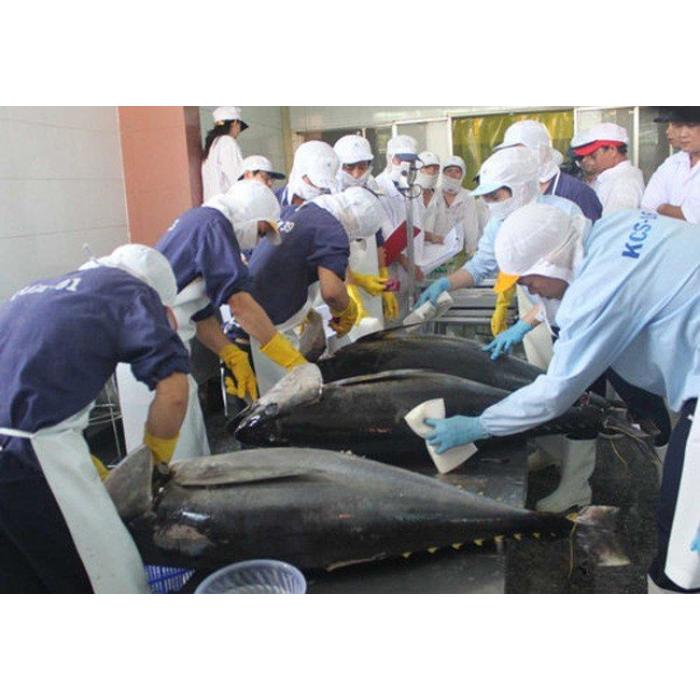
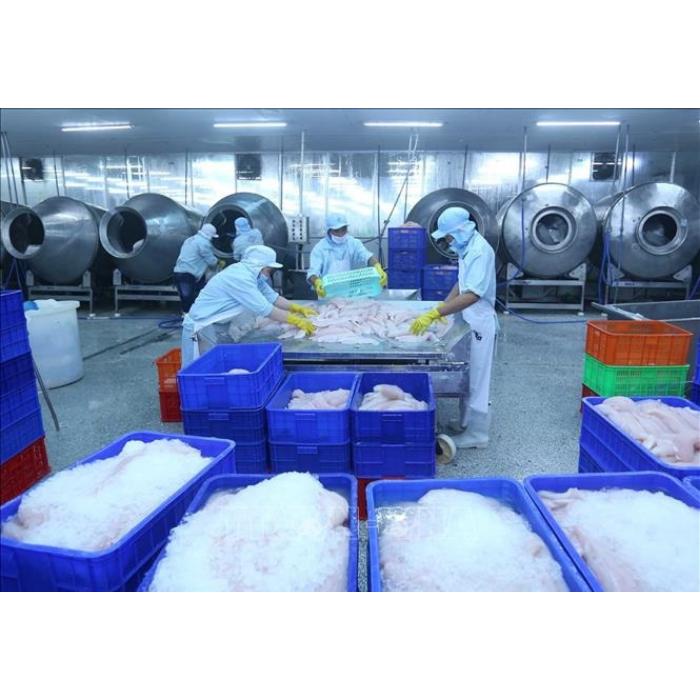
What does a seafood processing job involve?
Technical Intern Trainees take part in various stages of the seafood production process. Depending on the receiving company, typical duties may include:
-
Receiving and inspecting raw materials.
-
Cleaning and sorting fish, shrimp, squid and other seafood products.
-
Cutting and preparing products according to production standards.
-
Packing, freezing and storing finished products.
-
Inspecting product quality before shipment.
Most trainees are assigned to a specific stage of the production line. As the workflow is clearly organised and each task follows standard operating procedures, new employees can quickly become familiar with their responsibilities.
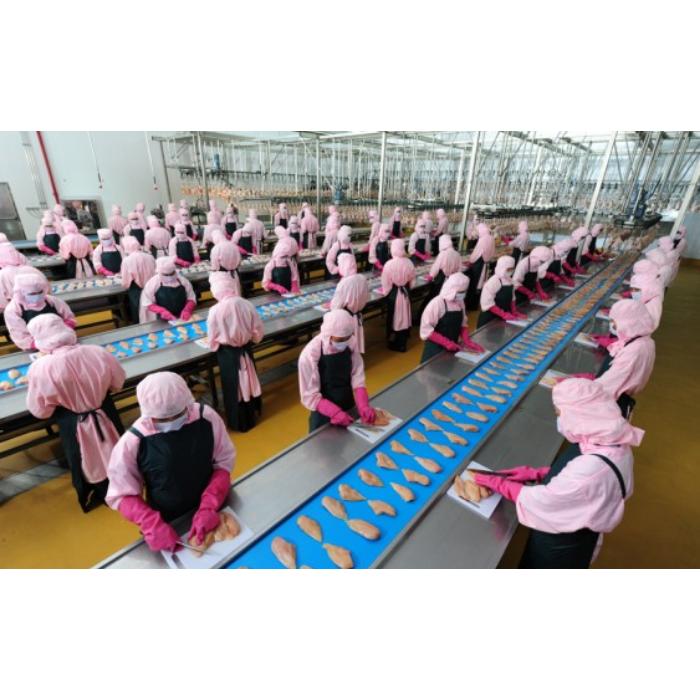
Is previous experience required?
One of the advantages of seafood processing jobs is that previous experience is not usually required.
Before starting work, Japanese employers provide comprehensive training covering production procedures, the correct use of equipment, food hygiene regulations and workplace safety. This allows trainees with little or no experience to adapt quickly to the working environment.
A positive attitude, willingness to learn and a strong sense of responsibility are the qualities that matter most.
What is the working environment like?
Seafood processing factories in Japan are equipped with modern production facilities and operate under strict quality management systems.
Employees work in clean and well-organised environments and are provided with protective clothing, gloves, masks and other necessary equipment to ensure food safety and workplace hygiene.
Some production areas, particularly those involving refrigeration or freezing, operate at low temperatures to maintain product quality. In these cases, employers provide suitable protective clothing so that employees can work safely and comfortably.
Salary and employee benefits
In addition to the salary stated in the employment contract, Technical Intern Trainees are entitled to the benefits provided under Japanese labour laws and company policies, which may include:
-
Social insurance and health insurance.
-
Various allowances, depending on the employer.
-
Overtime pay in accordance with Japanese labour regulations.
-
Bonuses and other employee benefits where applicable.
When production demand increases, many companies also offer overtime opportunities, enabling workers to increase their monthly income.
Who is this job suitable for?
Seafood processing is well suited to people who:
-
Are in good physical health.
-
Are hardworking, careful and responsible.
-
Can work effectively as part of a team.
-
Follow production procedures and food safety regulations.
-
Are willing to learn new skills and develop professionally.
Opportunities for personal and professional development
Working in Japan's seafood processing industry offers more than a stable income. It also helps trainees develop professional work habits, improve their Japanese language skills and gain valuable international working experience.
Skills such as teamwork, discipline, quality control and time management will continue to benefit workers long after they complete their Technical Intern Training Programme and return to Vietnam.
A Career Worth Considering
If you are looking for a stable job in Japan with professional training, a modern working environment and good opportunities to build your savings, seafood processing is a career worth considering.
Before choosing a programme, applicants should carefully learn about the workplace, job responsibilities, accommodation, salary, living expenses and employee benefits so that they can select the opportunity that best matches their goals and circumstances.
FOR MORE INFORMATION ABOUT OUR STUDY ABROAD AND OVERSEAS EMPLOYMENT PROGRAMMES, PLEASE CONTACT:
TOHOKU SONG DA JOINT STOCK COMPANY
Address: L02-L01, Zone A, Duong Noi Urban Area, Duong Noi Ward, Hanoi, Vietnam
Hotline: +84 989 044 852
Website: https://tohoku.vn
Email: tohokusongda2014@gmail.com