


A Story After Seven Years in Japan: V.N. Hoàng, a former Vietnamese international student, once shared his journey after spending seven years in Japan.
"I studied Automotive Engineering in Aichi Prefecture. In my third year at university, while many of my classmates chose part-time jobs in restaurants, warehouses, or convenience stores because they paid better, I decided to apply for an internship at an authorised dealership of a Japanese automobile manufacturer.
The allowance was modest, and the work was far from easy. At first, my responsibilities were mainly observing senior technicians, preparing tools, cleaning the workshop, and assisting with basic tasks. It took several months before I was gradually entrusted with more technical work. There were times when I questioned my decision and wondered if I should switch to a better-paid part-time job.
To my surprise, when I graduated, the service manager who had supervised my internship offered me a full-time position.
He smiled and said, in essence, 'For nearly a year, we have been observing you. We have seen your sense of responsibility, your willingness to learn, and your potential to become a trustworthy colleague.'
That was the moment I realised that an internship is not just a compulsory university requirement. It is the longest job interview a student will ever have."
There is one question that many employers ask when interviewing a fresh graduate.
It is not:
"Which university did you graduate from?"
Nor is it:
"What was your GPA?"
Instead, they ask:
"Have you ever done this kind of work before?"
That single question often creates the difference between two graduates from the same university, holding the same degree, yet enjoying completely different career opportunities.
A university degree proves that you have completed an academic programme.
Experience proves that you are ready to contribute from your very first day at work.
That is why, once you have chosen your field of study, the most important question is no longer:
"Do I really like this major?"
A more important question is:
"Have I given myself enough time to become truly good at it?"
Over the years, I have met many international students.
During their first and second years, they are full of enthusiasm.
By the third year, however, academic pressure increases, part-time work becomes more demanding, and financial responsibilities grow heavier. Many begin to doubt the very choice they once made.
"Maybe this major isn't right for me."
"I've lost interest in it."
"Perhaps I should choose a different career after graduation."
These thoughts are perfectly normal.
However, after many years of working with Japanese companies, I have learned one important lesson.
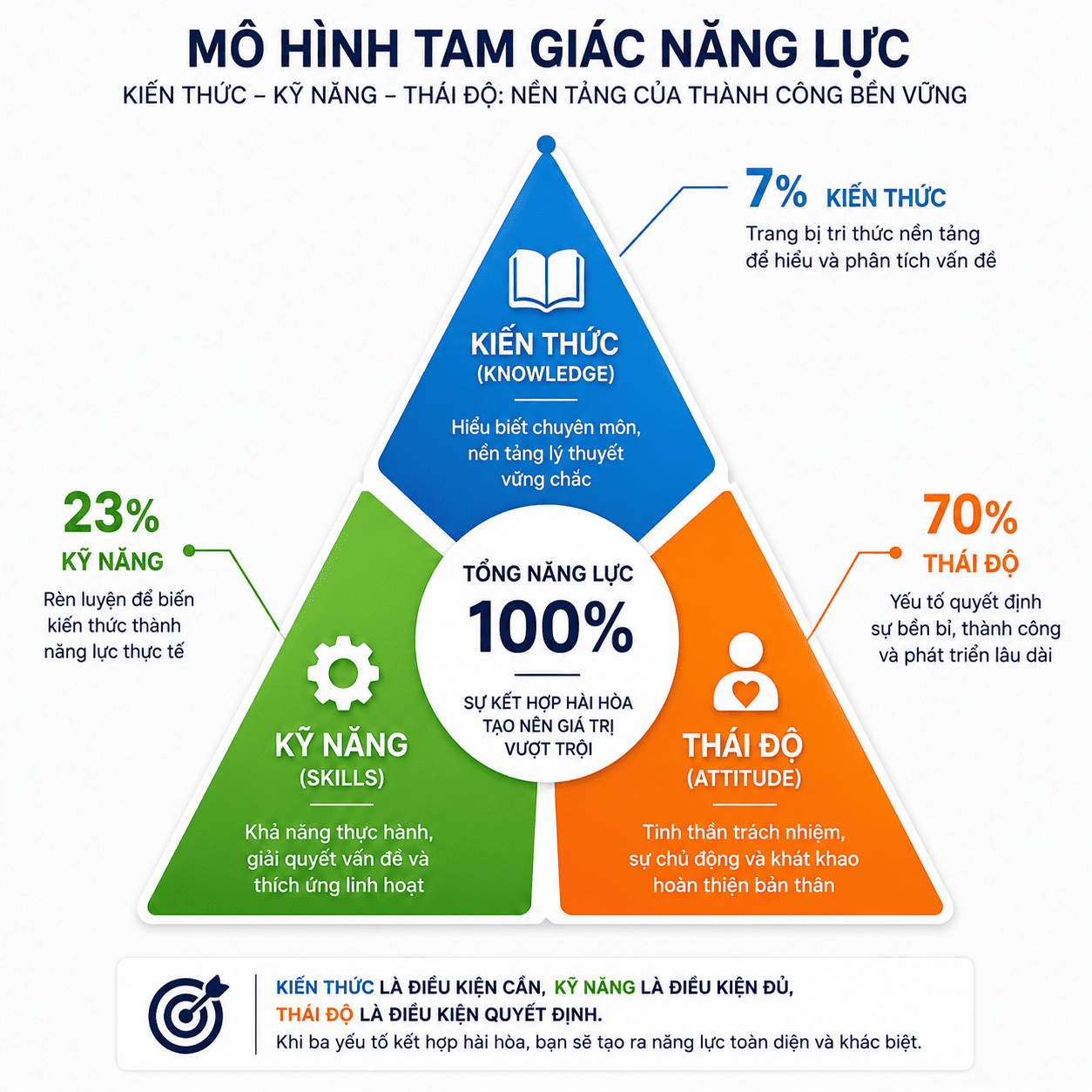
Most people do not love their profession because they chose the perfect career from the beginning. They love it because they stayed with it long enough to become good at it.
When you are still inexperienced, every task feels difficult.
When you lack professional skills, every working day feels stressful.
But as your competence grows, as you solve problems confidently, and as your work earns the trust and recognition of others, your relationship with your profession changes.
The job has not changed.
You have.
That is why I always encourage our students—especially those studying at universities in Japan and South Korea—to seek internships or part-time opportunities related to their field of study whenever possible, even if the financial support is modest.
Many students face a difficult choice.
One option is a well-paid part-time job unrelated to their major.
The other is an internship in their chosen field, with heavier responsibilities and much lower pay.
If you only look at the next few months, the first option may seem more attractive.
But if you think about your career five or ten years from now, the second option often creates far greater value.
Because what you gain is not merely income.
You gain practical experience.
Professional skills.
An understanding of how businesses operate.
Mentors who guide your growth.
The first meaningful experiences that strengthen your CV.
And, perhaps most importantly, the confidence to answer when an employer asks:
"Have you ever done this kind of work before?"
Many international students must work to pay for tuition, accommodation, and daily living expenses.
That is something worthy of respect.
However, if circumstances allow, try to dedicate some of your final university years to gaining experience in the profession you intend to pursue.
Do not see it as accepting a low-paying job.
See it as an investment in your future.
It is an investment that may not generate immediate financial returns, but one that can determine where you stand after graduation.
Many former international students have received full-time job offers from the very companies where they completed their internships.
Not because they had the highest GPA.
Not because they were the top students in their class.
But because the company had already witnessed their attitude, adaptability, commitment, and work ethic over time.
Employers are not simply looking for graduates with degrees.
They are looking for people who have laid the foundations for growth and gained real-world experience in the field they have chosen.
These are qualities that no diploma alone can replace.
So, if you have already chosen your major, do not be too quick to conclude that you are in the wrong field simply because you encounter difficulties at the beginning.
Be patient.
Study seriously.
Build your experience.
Whether you study in Vietnam, Japan, or South Korea, let your university years give you more than a degree.
Let them give you the competence and confidence to begin your career with purpose.
At the end of the day, employers are not merely recruiting graduates. They are looking for people who are ready to create value.
ABOUT SONG DA TOHOKU
For more than 15 years, Song Da TOHOKU has been committed to supporting Vietnamese students and trainees on their journey to study and work abroad. We believe that overseas education is not only about earning a qualification—it is about building professional competence, practical experience, and the mindset needed for long-term success.
If you are planning to study in Japan or South Korea, our team is ready to accompany you every step of the way.
SONG DA TOHOKU., JSC
Address: L02-L01, Area A, Duong Noi Urban Area, Duong Noi Ward, Hanoi, Vietnam
Hotline: (+84) 989 044 852
Email: tohokusongda2014@gmail.com
Website: https://tohoku.vn