


Plastering and bricklaying are among the essential trades in Japan's construction industry. After a building's structural framework has been completed, these finishing works help create smooth, durable and visually appealing walls and surfaces, preparing the building for its final use.
With continuous investment in residential buildings, apartments, factories, commercial facilities and public infrastructure, Japanese construction companies regularly recruit Technical Intern Trainees for plastering and bricklaying work. This is an excellent opportunity for those who wish to develop professional construction skills while earning a stable income in Japan.
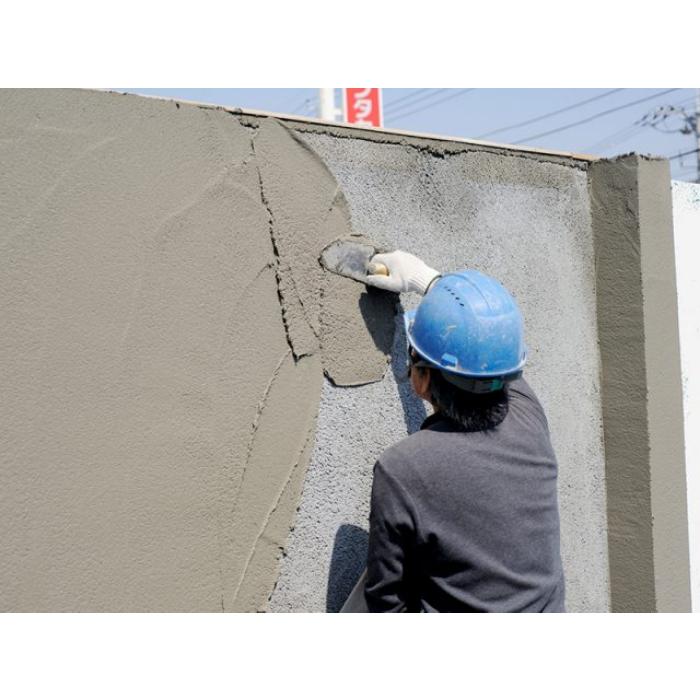
What does a plastering and bricklaying job involve?
Technical Intern Trainees work under the guidance of site supervisors and experienced craftsmen throughout the finishing stage of construction projects. Typical responsibilities include:
-
Building brick or block walls according to technical drawings.
-
Measuring and ensuring walls are straight, level and properly aligned.
-
Preparing mortar with the correct mixing ratio.
-
Applying plaster to walls and ceilings to create smooth, high-quality finishes.
-
Inspecting completed surfaces before they are handed over for the next stage of construction.
-
Working closely with formwork, reinforcing steel, electrical, plumbing and finishing teams to ensure construction progresses efficiently.
Depending on the project, workers may also use modern construction equipment and tools that improve productivity while reducing physical effort.
Is previous experience required?
One of the advantages of this occupation is that previous experience is not essential.
After arriving in Japan, the receiving company will provide training on construction procedures, plastering techniques, the correct use of tools, basic drawing interpretation and workplace safety. Throughout the internship, trainees continue to develop their skills through practical experience under professional supervision.
The most important qualities are good health, a strong work ethic, responsibility and a willingness to learn.
Working environment
Construction sites in Japan are well organised and operate under strict safety standards.
Workers are provided with protective equipment such as safety helmets, safety boots, reflective workwear, safety harnesses and other necessary protective gear. Safety training is conducted before work begins to ensure every employee understands the required procedures.
Many construction sites also use modern equipment such as mortar mixers, material lifting machines and standard scaffolding systems, making work safer, more efficient and less physically demanding.
Salary and employee benefits
In addition to the salary specified in the employment contract, Technical Intern Trainees receive the benefits provided under Japanese labour laws and company policies, which may include:
-
Social insurance and health insurance.
-
Overtime pay in accordance with Japanese labour regulations.
-
Various allowances depending on the company and construction project.
-
Bonuses and other employee benefits where applicable.
When projects require additional working hours, trainees may also have opportunities to work overtime in accordance with labour regulations, allowing them to increase their monthly income.
Career development opportunities
Plastering and bricklaying are highly skilled trades that continue to be in demand throughout Japan.
During the Technical Intern Training Programme, trainees not only improve their practical construction skills but also learn Japanese standards of quality control, workplace safety, teamwork and professional discipline.
With experience and proven ability, workers may progress to positions such as:
-
Skilled plasterer or bricklayer.
-
Team leader.
-
Site supervisor.
-
Construction management roles, depending on their skills and experience.
The knowledge and practical experience gained in Japan can also provide a strong foundation for career development after returning to Vietnam.
Who is this job suitable for?
Plastering and bricklaying are suitable for people who:
-
Are in good physical health.
-
Are hardworking and responsible.
-
Pay close attention to detail.
-
Work well as part of a team.
-
Follow workplace safety regulations.
-
Are eager to learn and continuously improve their skills.
Helping Build Durable and Beautiful Structures
If a building's structural framework forms its foundation, plastering and bricklaying give it its finished appearance. The quality of this work directly affects both the appearance and long-term durability of the completed building.
Working in Japan's construction industry offers more than a stable income. It provides valuable opportunities to master advanced construction techniques, develop professional work habits and gain practical experience that will benefit workers throughout their careers.
If you are looking for a stable career in Japan with professional training, opportunities to improve your skills and long-term career prospects in the construction industry, plastering and bricklaying are well worth considering.
FOR MORE INFORMATION ABOUT OUR STUDY ABROAD AND OVERSEAS EMPLOYMENT PROGRAMMES, PLEASE CONTACT:
TOHOKU SONG DA JOINT STOCK COMPANY
Address: L02-L01, Zone A, Duong Noi Urban Area, Duong Noi Ward, Hanoi, Vietnam
Hotline: +84 989 044 852
Website: https://tohoku.vn
Email: tohokusongda2014@gmail.com