


Japan has long been one of the most popular destinations for Vietnamese workers thanks to its professional working environment, well-defined employment conditions, and opportunities for long-term skill development. Among the many industries recruiting foreign workers, the garment industry continues to offer stable employment and is well suited to those who already have sewing experience or wish to build practical vocational skills.
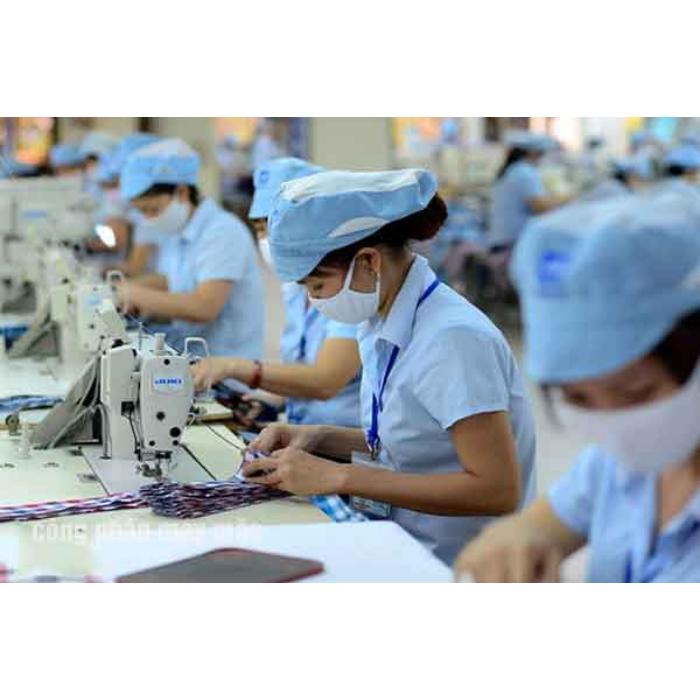
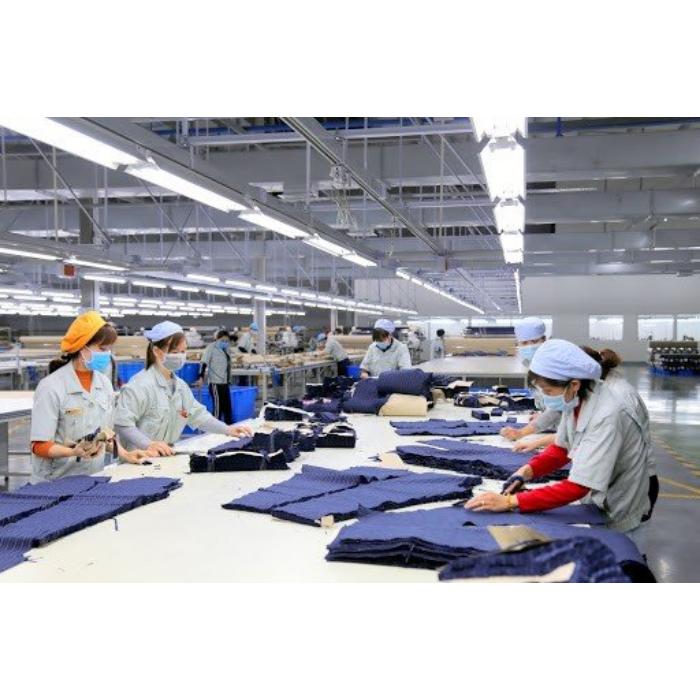
What Does a Garment Worker Do in Japan?
The specific duties vary depending on the company, production line, and type of product being manufactured. Common tasks include:
-
Cutting fabric according to production specifications.
-
Sewing garments or assembling different parts of clothing.
-
Inspecting products to ensure they meet quality standards.
-
Ironing, folding, and finishing garments.
-
Packing finished products for shipment.
-
Cleaning the work area and following workplace safety procedures.
Factories in Japan manufacture a wide range of products, including fashion apparel, school uniforms, office uniforms, workwear, sportswear, home textile products, and many other garments for both the domestic and international markets.
A Modern and Well-Organised Working Environment
One of the major advantages of working in Japan's garment industry is the clean, organised, and safe workplace. Factories are equipped with modern industrial sewing machines, automated cutting equipment, and advanced production technology designed to improve both productivity and product quality.
Before starting work, employees receive practical training on production procedures and workplace regulations. Japanese companies place great emphasis on product quality, workplace safety, teamwork, and efficiency throughout the manufacturing process.
Can Beginners Apply?
Many employers provide on-the-job training, making garment jobs accessible even to applicants with limited experience. New employees are guided through each stage of the production process and gradually develop their technical skills while working.
For applicants who already have experience in sewing or garment manufacturing, working in Japan provides an excellent opportunity to improve their professional skills, gain experience with advanced production systems, and become familiar with Japan's high manufacturing standards. These experiences can provide valuable career advantages after returning home.
Salary and Employee Benefits
Workers in Japan's garment industry receive employment benefits in accordance with Japanese labour laws and the terms of their employment contracts.
Typical benefits include:
-
Stable monthly income based on regional minimum wage regulations and company policies.
-
Overtime opportunities with overtime pay in accordance with Japanese labour regulations.
-
Enrolment in the required social insurance programmes.
-
Paid annual leave and public holidays as stipulated by Japanese law.
-
Guidance and support throughout both work and daily life in Japan.
Actual earnings will vary depending on the prefecture, employer, basic salary, and the amount of overtime worked.
Skills You Can Develop
In addition to earning a stable income, working in Japan allows employees to gain valuable professional and personal skills, including:
-
Advanced industrial sewing techniques.
-
Experience with modern production systems.
-
Greater attention to detail and product quality.
-
Strong workplace discipline and punctuality.
-
Effective teamwork and communication skills.
-
Improved Japanese language ability through daily life and work.
These skills remain valuable long after completing the programme and can support future career development in both Japan and Vietnam.
Opportunities for Vietnamese Workers
Demand for garment workers in Japan remains stable, with many companies continuing to recruit technical intern trainees and skilled workers. Recruitment requirements are generally reasonable, and employees benefit from a modern working environment and transparent employment conditions.
If you are looking for a stable job, opportunities to improve your vocational skills, earn a reliable income, and gain international work experience, the garment industry in Japan is well worth considering.
To learn more about eligibility requirements, salaries, available job locations, departure schedules, and current recruitment programmes, it is important to seek advice from a reputable sending organisation before applying.
FOR MORE DETAILS OF OUR STUDY ABROAD AND WORKING OVERSEAS PROGRAM, PLEASE CONTACT:
SONG DA TOHOKU JOINT STOCK COMPANY
Address: No. 4, Alley 180 Thai Thinh Street, Dong Da Ward, Hanoi, Vietnam
Hotline: +84 989 044 852
Email: tohokusongda2014@gmail.com