


When studying or working in Japan, Vietnamese nationals may be required to pay taxes depending on their income, period of residence and personal circumstances. The two main taxes to be aware of are income tax and resident tax.
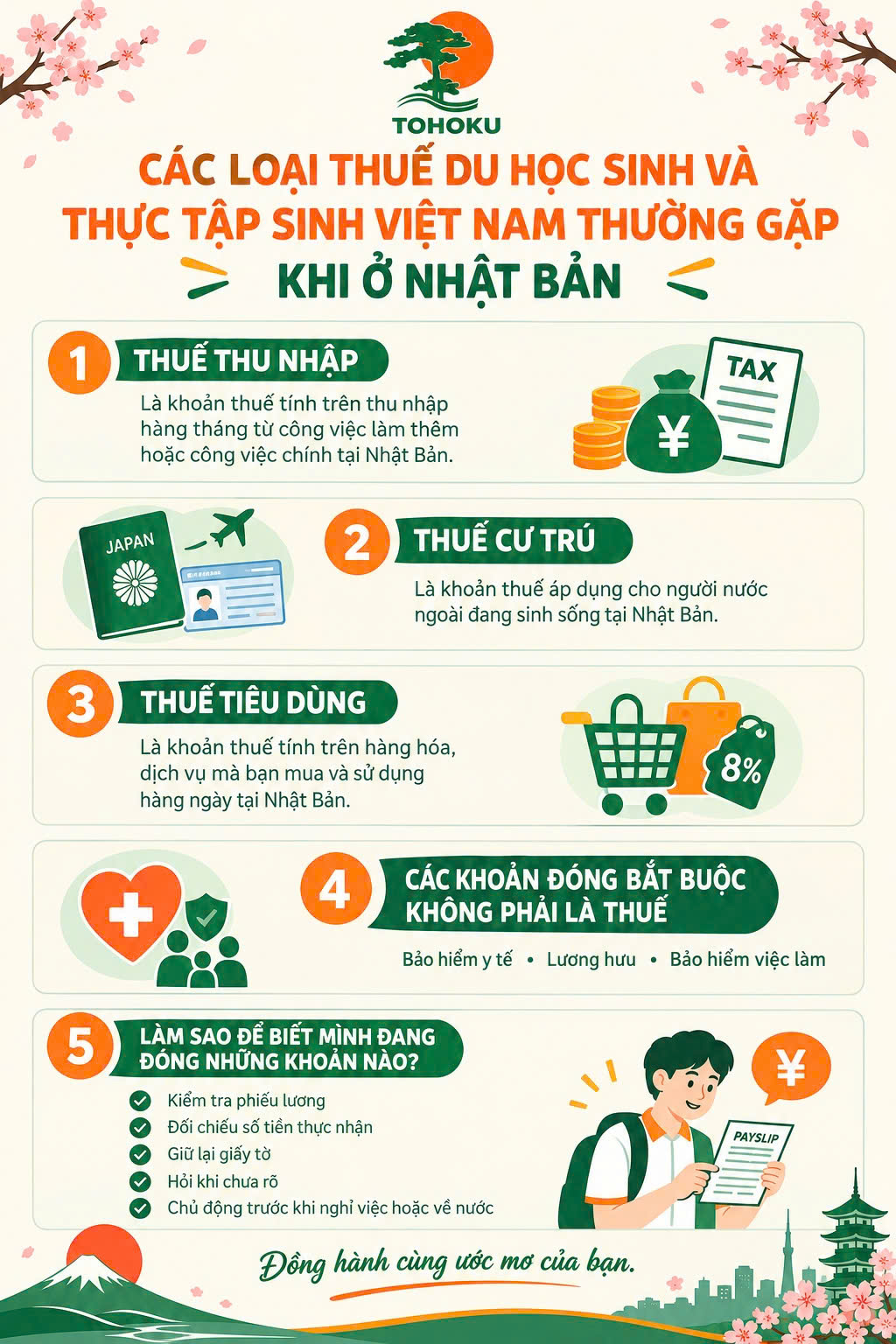
In addition to taxes, international students and technical intern trainees may also have to pay health insurance premiums, pension contributions and employment insurance contributions. These are social insurance payments rather than taxes, but they also directly affect take-home pay and monthly living expenses.
1. INCOME TAX – 所得税(しょとくぜい)
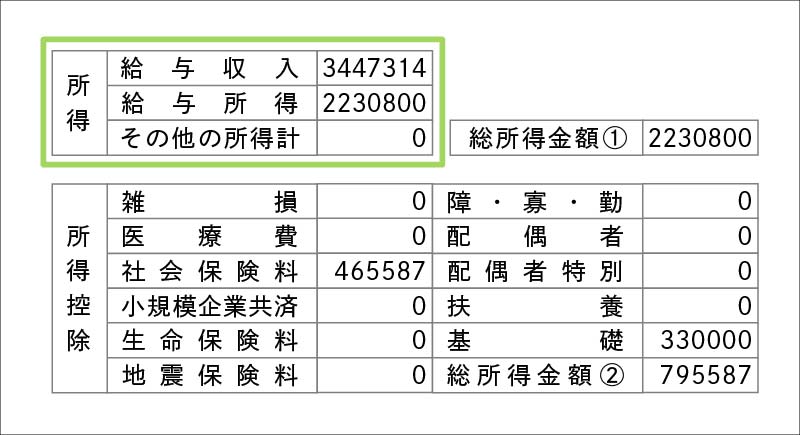
Income tax is a national tax calculated on taxable income. For employees, it is generally deducted directly from their wages.

International students working part-time and technical intern trainees receiving wages may be liable for income tax. The amount depends on their income, applicable deductions, tax status and the rules relevant to their individual circumstances.
What you should know:
-
Check your payslip to see whether income tax has been deducted.
-
Keep your payslips and the withholding tax certificate issued by your employer.
-
If you have income from multiple sources, change jobs or fall into a category requiring a tax return, check whether you need to file a final tax return.
-
If you believe the amount withheld is incorrect, ask your employer's human resources department or the tax office for clarification.
Official information: National Tax Agency of Japan – Income Tax
2. RESIDENT TAX – 住民税(じゅうみんぜい)
Resident tax is a local tax generally calculated based on income earned in the previous year. Whether you must pay it, and how much you owe, depends on your income, your circumstances at the relevant assessment date and any applicable exemption or reduction provisions.
This is a tax that often catches international students and technical intern trainees by surprise.
For example, someone who starts studying or working in Japan may receive a resident tax notice in the following year based on their previous year's income, even if their current income has decreased or they have stopped working.
What you should know:
-
Resident tax is not always deducted directly from your payslip. Depending on your circumstances, your employer may deduct it, or you may receive a notice requiring you to pay it yourself.
-
If you move, leave your job or change employers, check how any outstanding resident tax should be paid.
-
Do not ignore a tax notice simply because you have left your job or are preparing to return to Vietnam.
Official information: Tokyo Metropolitan Government – Resident Tax
3. CONSUMPTION TAX – 消費税(しょうひぜい)
Consumption tax is generally included in the price of taxable goods and services in Japan. International students and technical intern trainees usually pay this tax when shopping, eating out or using taxable services.
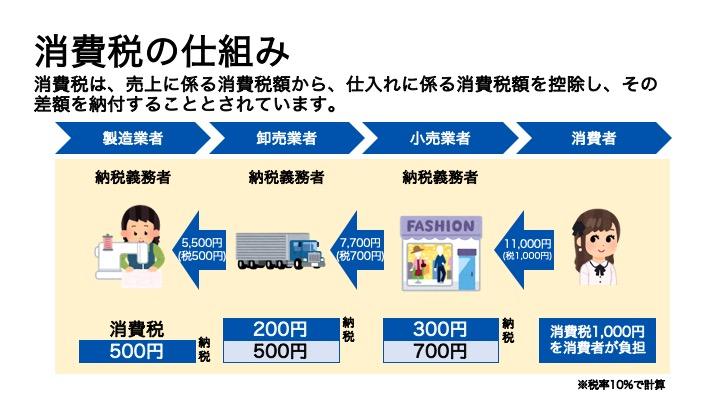
In most cases, consumers do not need to declare and pay consumption tax separately for each purchase. The tax is included in the displayed price or shown on the receipt according to the retailer's or service provider's pricing practices.
To manage your spending, check whether the displayed price includes tax, particularly when comparing advertised prices or purchasing services.
4. MANDATORY CONTRIBUTIONS THAT ARE NOT TAXES
In addition to taxes, international students and technical intern trainees may need to make the following social insurance contributions.
Health Insurance – 健康保険/国民健康保険
People who are required to participate in a health insurance scheme must pay the applicable premiums. Employees who qualify for health insurance through their employer generally share the contributions with their employer. Those covered by National Health Insurance generally pay premiums according to notices issued by their local authority.
Pension Contributions – 年金
People residing in Japan who fall within the applicable age range are generally required to participate in the pension system, unless an exemption applies. Employees covered by Employees' Pension Insurance usually have their contributions deducted from their wages. Those covered by the National Pension system may receive separate payment notices.
International students experiencing financial difficulties should ask the relevant authority whether they qualify for an exemption or deferment. Do not simply stop paying without confirming your obligations.
Employment Insurance – 雇用保険
Workers who meet the eligibility requirements may be required to contribute to employment insurance. Eligibility depends on working conditions and the applicable rules; not every international student with a part-time job automatically qualifies or is required to participate.
Official information on pension and social insurance for foreign workers: Japan Pension Service
5. HOW CAN YOU CHECK WHICH PAYMENTS YOU ARE MAKING?
When you receive your wages or a payment notice, follow these steps:
-
Check your payslip: Look for 所得税 (income tax), 住民税 (resident tax), 健康保険 (health insurance), 厚生年金 (Employees' Pension Insurance) and 雇用保険 (employment insurance), where applicable.
-
Compare your gross and net pay: Distinguish between your wages before deductions and the amount you actually receive. Do not assume that every deduction is correct simply because the money has been transferred to your bank account.
-
Keep your documents: Save your payslips, tax withholding certificates, resident tax notices, invoices and payment receipts.
-
Ask if anything is unclear: Contact your employer's human resources department, the tax office or your local authority, depending on the issue.
-
Check before leaving your job or returning home: Find out whether you have any outstanding tax or insurance payments and what procedures you need to complete.
6. IMPORTANT POINTS FOR INTERNATIONAL STUDENTS AND TECHNICAL INTERN TRAINEES
First, not everyone living in Japan pays the same amount of tax. Your obligations depend on your income, tax status and other relevant conditions.
Second, income tax and resident tax are calculated and collected differently. Not having to pay resident tax in your first year does not mean you will never have to pay it in subsequent years.
Third, not every deduction on your payslip is a tax. Some deductions are social insurance contributions. Check each item carefully so that you understand what the money is being deducted for.
Fourth, if you receive a notice that you do not understand, contact the appropriate authority before the payment deadline. If you cannot afford to pay, ask about possible payment arrangements or support schemes for which you may qualify.
Understanding the taxes and mandatory contributions applicable in Japan will help international students and technical intern trainees estimate their take-home pay more accurately, plan their living expenses and avoid missing payment obligations.
THÔNG TIN LIÊN HỆ (CONTACT INFORMATION)
CÔNG TY CỔ PHẦN TOHOKU SÔNG ĐÀ
Songda Tohoku Joint Stock Company
Address: L02-L01, Area A, Duong Noi Urban Area, Duong Noi Ward, Hanoi, Vietnam
Hotline: 0989 044 852
Email: tohokusongda2014@gmail.com
Website: https://tohoku.vn