


Many people who are studying or have graduated in Nursing in Vietnam are interested in finding opportunities to work in Japan. A common question is: can you work in Japan after studying Nursing in Vietnam?
The answer is yes, it is possible, but the specific pathway depends on your qualifications, work experience, Japanese language ability and the type of work you want to pursue.
In particular, it is important to distinguish between working as a registered nurse (看護師 – kangoshi) and working in elderly care (介護 – kaigo). These are two different fields with different professional requirements and employment pathways in Japan.
CAN A VIETNAMESE NURSING QUALIFICATION BE USED TO WORK AS A NURSE IN JAPAN?
Having a Nursing qualification from Vietnam provides a valuable professional foundation, but it does not automatically allow someone to work as a licensed nurse in Japan.
According to Japan's Ministry of Health, Labour and Welfare, people who hold a nursing licence obtained overseas and wish to work as nurses in Japan must meet the requirements for eligibility to sit the Japanese national nursing examination, pass the examination and obtain a Japanese nursing licence in accordance with Japanese regulations.
In other words, a Vietnamese Nursing qualification and a Japanese nursing licence are two different matters.
Those who have graduated in Nursing in Vietnam and wish to pursue nursing as a profession in Japan should carefully consider:
-
Their Nursing qualification and completed training programme
-
Professional work experience
-
Japanese language ability
-
Eligibility to take the Japanese national nursing examination
-
The Japanese national nursing examination
-
The appropriate residence status
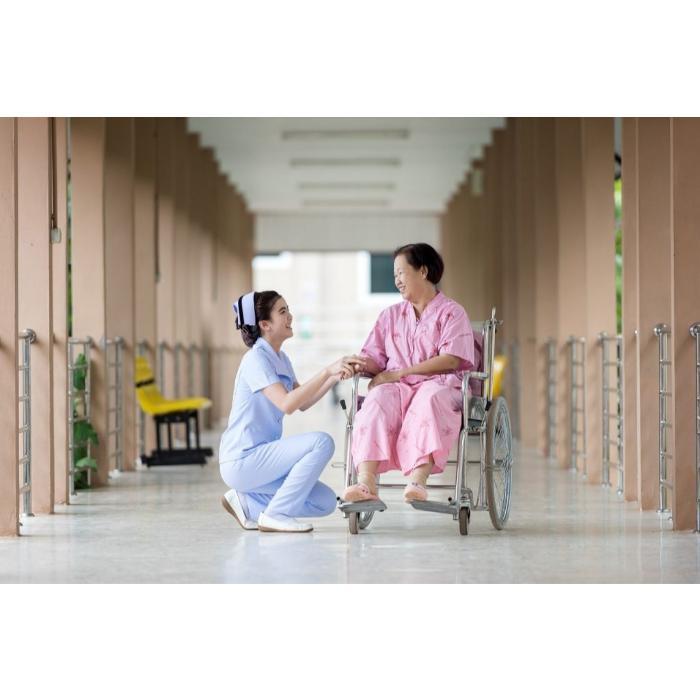
Therefore, if the goal is to become a registered nurse (看護師 – kangoshi) in Japan, the applicant needs to follow the professional nursing pathway required in Japan rather than relying solely on their Vietnamese qualification.
NURSING AND KAIGO: TWO DIFFERENT CAREER PATHWAYS
One common misunderstanding is that all jobs involving elderly care in Japan are “nursing”.
In reality, 看護師 (kangoshi) refers to a nursing profession within the healthcare sector, while 介護 (kaigo) focuses on supporting elderly people, people with disabilities and others who need assistance with daily activities.
Kaigo work may include assistance with meals, bathing, personal hygiene, mobility, daily activities, recreation and functional training, depending on the workplace.
Therefore, a person who has studied Nursing in Vietnam may consider different career options, but it is important to decide whether they want to continue towards professional nursing or move into the care sector.
NURSING VS KAIGO IN JAPAN
| Category | Nursing – 看護師 (Kangoshi) | Care Work – 介護 (Kaigo) |
|---|---|---|
| Sector | Healthcare | Care and daily-life support |
| People receiving support | Patients and people requiring medical care | Elderly people, people with disabilities and others requiring daily-life support |
| Nature of work | Nursing and healthcare duties within the professional scope | Daily-life assistance and care |
| Professional requirements | Professional nursing education and Japanese nursing licence requirements | Requirements depend on the programme and residence status |
| Foreign worker pathways | Specific programmes and professional pathways | EPA, “Nursing Care” residence status, Technical Intern Training and Specified Skilled Worker |
| Japanese language | High level required due to professional responsibilities and examinations | Depends on the pathway; Specified Skilled Worker in care has Japanese and care-sector Japanese requirements |
| Career objective | Working as a licensed nurse in Japan | Working in care services and developing a career in the care sector |
Japan's Ministry of Health, Labour and Welfare currently identifies four main systems for accepting foreign workers in the care sector: the Economic Partnership Agreement (EPA), the “Nursing Care” residence status, Technical Intern Training and the Specified Skilled Worker system.
POSSIBLE PATHWAYS AFTER STUDYING NURSING IN VIETNAM
Not everyone who studies Nursing in Vietnam will follow the same route to Japan. The appropriate pathway depends on each person's qualifications and career goals.
-
IF YOU HAVE GRADUATED IN NURSING IN VIETNAM
If you have graduated in Nursing, you already have a professional foundation that may be relevant when exploring employment opportunities in healthcare, nursing or care work in Japan.
If your goal is to become a licensed nurse in Japan, you need to investigate the procedure for obtaining eligibility to sit the Japanese national nursing examination.
Japan's Ministry of Health, Labour and Welfare sets out a process whereby people holding nursing qualifications obtained overseas must meet the relevant eligibility requirements before taking the national examination and obtaining a Japanese nursing licence.
This is a professional nursing pathway and is different from going to Japan to work in Kaigo.
-
IF YOU ARE CURRENTLY STUDYING NURSING IN VIETNAM
Students currently studying Nursing can begin preparing their Japanese language skills and learning more about elderly care while they are still in Vietnam.
Starting early gives students more time to develop their Japanese, understand Japan's care system and consider their career direction after graduation.
However, before choosing a specific programme, it is important to check its requirements for qualifications and eligibility.
-
IF YOU HAVE A NURSING QUALIFICATION BUT WANT TO WORK IN KAIGO
This is another pathway that needs to be clearly distinguished.
People who have studied Nursing in Vietnam but do not intend to pursue the Japanese registered nurse route may explore opportunities in the Kaigo sector if they meet the relevant requirements.
One option is Specified Skilled Worker (i) – Care (特定技能1号・介護).
Under Japan's Specified Skilled Worker system, applicants in the care sector are generally required to meet requirements relating to care skills, Japanese language ability and Japanese language specifically for care work.
This normally includes passing the care skills assessment, the Care Japanese Language Evaluation Test and meeting the required general Japanese language standard, such as JFT-Basic or JLPT N4 or above, depending on the applicable rules.
Therefore, a Vietnamese Nursing qualification can provide a useful background when considering care work, but applicants must still meet the requirements of the residence status and employment programme they choose.
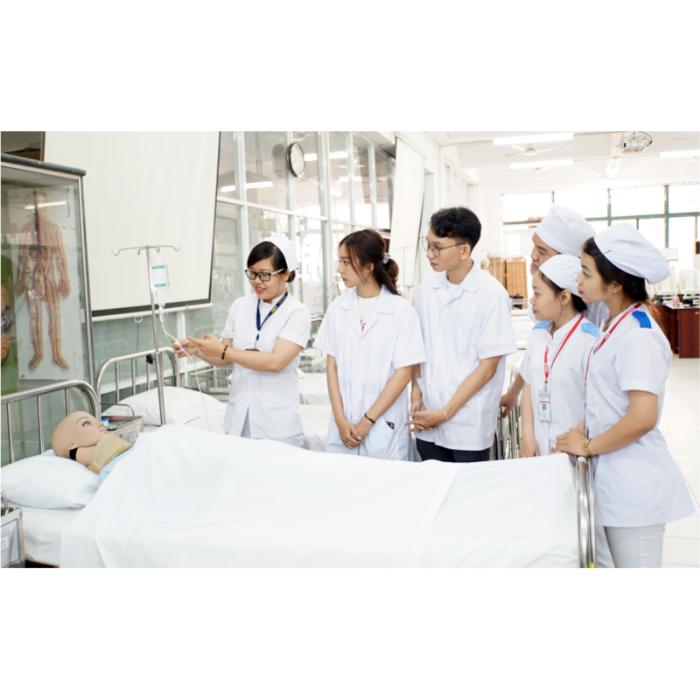
WHAT SHOULD YOU PREPARE BEFORE GOING TO JAPAN AFTER STUDYING NURSING IN VIETNAM?
If Japan is your intended career destination, it is useful to start preparing early.
JAPANESE LANGUAGE
Japanese is an important part of both nursing and care work in Japan.
Care workers, in particular, communicate regularly with service users, colleagues and supervisors.
For the Specified Skilled Worker route in the care sector, the current requirements include JFT-Basic or JLPT N4 or above, together with the Care Japanese Language Evaluation Test, subject to the applicable rules.
However, meeting an N4 requirement does not mean that someone will automatically have sufficient Japanese communication skills for every workplace. Continuing to improve Japanese, especially professional terminology, is important after arriving in Japan.
QUALIFICATIONS AND PROFESSIONAL DOCUMENTS
People who have graduated in Nursing should prepare their graduation certificate, academic transcripts, certificates and other documents relating to their professional education and work experience, where applicable.
These documents may be required when determining eligibility for a particular programme.
PROFESSIONAL KNOWLEDGE
In addition to Japanese, learners should continue developing their knowledge of patient care, elderly care, hygiene, nutrition, mobility support and communication with people who require assistance.
For those moving from Nursing into Kaigo, understanding the differences between the two fields is particularly important.
UNDERSTANDING THE ACTUAL WORK
Career decisions should not be based solely on the name of the occupation or expected income.
Before choosing a pathway, it is useful to learn about:
-
Daily duties
-
The people receiving care
-
The working environment
-
Shift patterns
-
Japanese language requirements
-
Physical requirements of the job
-
Career development opportunities
-
Residence status
Having a realistic understanding of the work can help people make better-informed career plans.
A GENERAL PATHWAY FROM VIETNAM TO WORKING IN JAPAN
Depending on the individual's circumstances, the preparation process can generally be considered in the following steps:
Step 1: Study or graduate in Nursing in Vietnam.
Step 2: Decide on the career objective: pursue the Japanese nursing profession (看護師) or work in elderly care (介護).
Step 3: Check your qualifications, work experience and personal eligibility.
Step 4: Study Japanese and relevant professional Japanese.
Step 5: Research the relevant employment programme and required examinations.
Step 6: Find a suitable employer and prepare the required documents.
Step 7: Complete the residence status and other relevant procedures.
Step 8: Travel to Japan, begin working and continue developing Japanese language and professional skills.
For the Specified Skilled Worker system, Japan's Immigration Services Agency describes a general process that includes passing the required examinations, finding a receiving organisation, signing an employment contract and completing the relevant residence status procedures.
COMMON MISUNDERSTANDINGS
“If I have a Nursing qualification from Vietnam, I can immediately work as a nurse in Japan.”
Not necessarily. Anyone who wants to work as a registered nurse in Japan must meet the relevant eligibility requirements and follow the Japanese licensing process.
“Working in Kaigo is the same as working as a nurse.”
Not exactly. Kaigo and registered nursing are two different occupational fields.
“A Nursing qualification is enough to qualify for Kaigo in Japan.”
This should not be assumed. Applicants using the Specified Skilled Worker route in the care sector still need to meet the programme's requirements, including the relevant skills and Japanese language requirements.
“If I reach JLPT N4, I will be able to work comfortably in Japan.”
N4 may be one of the language requirements for certain programmes, but practical communication skills and care-related Japanese need to continue developing through study and workplace experience.
CAREER DEVELOPMENT AFTER ARRIVING IN JAPAN
Going to Japan to work does not necessarily mark the end of professional education. It can also be the beginning of a longer-term career.
For people working in the care sector, continuing to improve Japanese, gain practical experience and develop professional knowledge and qualifications can provide different opportunities for career development.
Japan currently has several systems for accepting foreign workers in the care sector.
For people who already have Nursing qualifications from Vietnam, identifying the appropriate pathway from the beginning can make the preparation process more closely aligned with their career objectives.
ABOUT TOHOKU SONG DA
With experience in supporting Vietnamese trainees and workers travelling to Japan, Tohoku Song Da provides information about occupations, working conditions, procedures and the preparations required before travelling to Japan.
For people currently studying or already qualified in Nursing in Vietnam, understanding the differences between 看護師 (Kangoshi) and 介護 (Kaigo), as well as the relevant Japanese language, qualification and residence status requirements, is an important step before choosing a specific pathway.
Rules concerning foreign workers, examinations and residence status in Japan may change over time. Applicants should therefore check the latest official information when preparing their applications.
CONTACT INFORMATION
SONG DA TOHOKU JOINT STOCK COMPANY
Address: L02-L01, Area A, Duong Noi Urban Area, Duong Noi Ward, Hanoi, Vietnam
Hotline: 0989 044 852
Email: tohokusongda2014@gmail.com
Website: https://tohoku.vn