


April is a peak season in Japan. It marks the beginning of the academic year and the new fiscal year, when schools enroll new students and companies onboard new employees. As a result, the number of arrivals increases significantly.
1. Costs – Especially Airfare
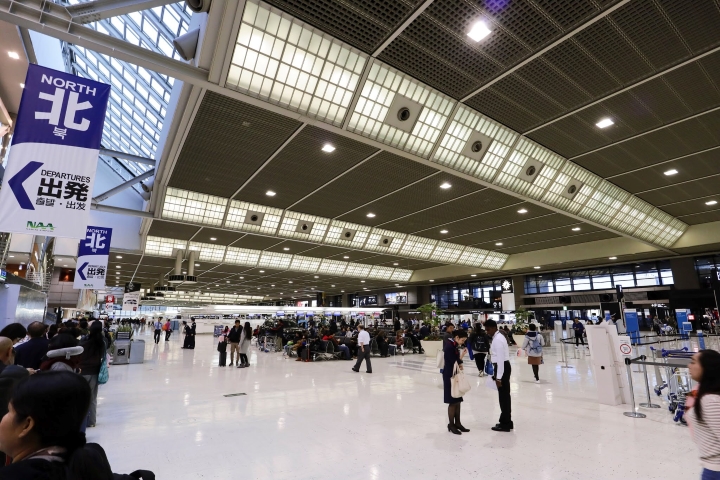
Air ticket prices tend to rise due to high travel demand: international students starting school, workers beginning the new fiscal year, and the cherry blossom season attracting tourists. It is advisable to book tickets early and prepare a financial reserve for the first one to two weeks, including daily expenses, transportation, essential household items, and housing deposits.
2. Accommodation
In major cities such as Tokyo and Osaka, rental costs are relatively high and available rooms are limited during April. Carefully review all related expenses, including the security deposit, key money (if applicable), management fees, utilities, and internet charges. For those staying in dormitories, it is important to understand the regulations and fixed monthly living costs in advance.
3. April Weather and Japan’s Climate by Region
April marks early spring, with average temperatures ranging from 10–20°C. While daytime can be mild, mornings and evenings remain chilly.
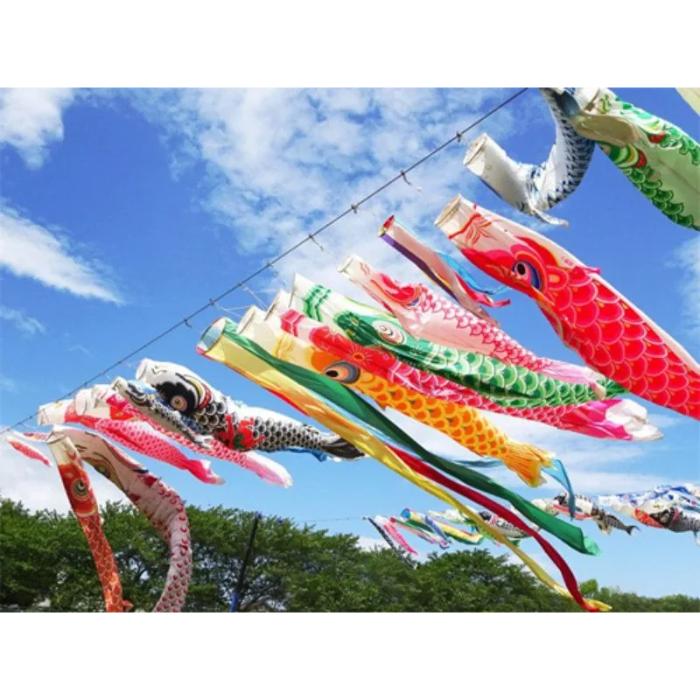
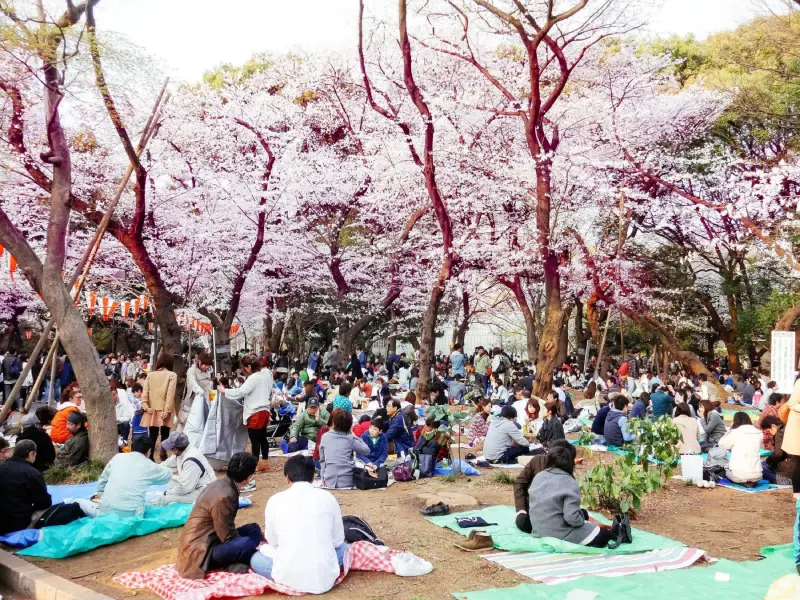
Japan’s climate varies significantly by region:
-
Northern Region (Hokkaido): Cool temperate climate with long winters; early April can still feel cold.
-
Central Region (Tokyo, Nagoya, Osaka): Humid temperate climate with four distinct seasons; spring is generally mild and comfortable.
-
Southwestern Region (Fukuoka, Hiroshima): Warmer overall, with hot and humid summers.
-
Okinawa: Subtropical climate with long, humid summers and higher rainfall.
Japan also experiences a rainy season (typically June to July) and a typhoon season (late summer to early autumn). Those planning to stay long term should be prepared for clear seasonal changes throughout the year.
4. Initial Administrative Procedures
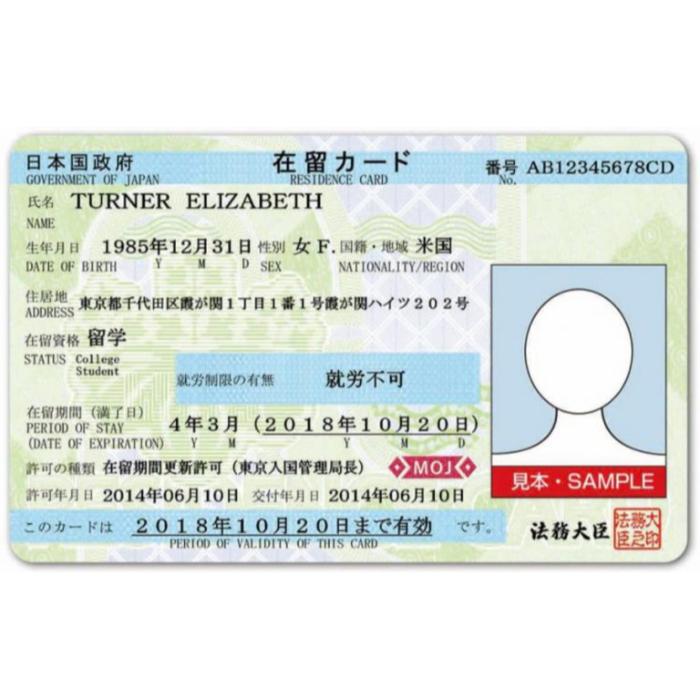
After arrival, you will complete several essential procedures, such as obtaining your residence card, registering your address at the local city office, enrolling in health insurance, and opening a bank account. Completing these steps promptly will help you settle in more smoothly.
Careful preparation in terms of finances, accommodation, and understanding climate conditions will make your transition easier. Arriving in Japan in April is an important starting point, and being proactive from the beginning will provide a strong foundation for your long-term study and career plans.