


For people considering Japan's Technical Intern Training Programme, the actual working environment is one of the issues they often want to understand before making a decision. In particular, those interested in food processing often want to know what a typical working day looks like, whether the work is physically demanding and how much time they have to rest after work.
In reality, working schedules vary from one company to another. However, a typical day for a food processing technical intern usually includes preparing for the shift, carrying out production-line tasks, cleaning the workplace and having personal time after work.
MORNING: PREPARING FOR THE WORK SHIFT
Before starting work, technical interns are generally expected to arrive at the company on time and prepare their work clothing according to the factory's regulations.
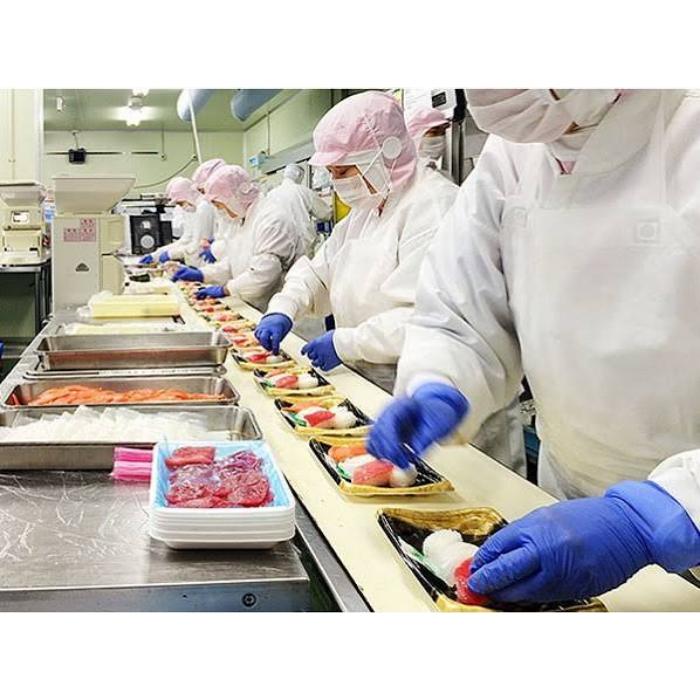
In the food processing industry, hygiene is particularly important. Workers may be required to change into work clothes, wear a cap, mask and gloves, or complete specific hygiene procedures before entering the production area.
After that, workers receive instructions about the day's tasks and move to their assigned positions.
Being punctual and following the factory's rules are important requirements for technical interns.

DURING WORKING HOURS: WORKING ON THE PRODUCTION LINE
Depending on the factory and the products being manufactured, tasks may include preparing ingredients, processing food, weighing and portioning products, packaging, inspecting products or arranging goods.
Each worker is usually responsible for one or several specific stages of the production process. Because the work follows established procedures, workers need to remain focused and maintain an appropriate pace to keep up with the production line.
For people who have just arrived in Japan, it may take some time to become familiar with the work procedures, workplace communication and safety and hygiene requirements.
If you would like to learn more about the physical demands of this type of work, you can also read Is Food Processing Work in Japan Difficult?.
BREAK TIME: AN OPPORTUNITY TO REST AND RECOVER
During the working shift, workers have break periods according to the company's schedule.
This is time to have a meal, rest and recover before returning to work.
Maintaining good health and physical fitness is important, particularly for jobs that require workers to stand or perform repetitive movements for extended periods.
AFTERNOON: CONTINUING WORK AND FINISHING THE SHIFT
After the break, technical interns return to their assigned positions and continue with their designated tasks.
At the end of the shift, depending on the job, workers may need to clean equipment, machinery or production areas, organise ingredients or prepare the workplace for the next shift.
In the food processing industry, cleaning after production is an important part of the job. Workers are expected to follow the required procedures carefully and not skip any designated steps.
WHAT ABOUT OVERTIME?
Some food factories may offer overtime depending on production requirements.
Overtime may occur when the company has a high volume of orders or needs to meet production targets. However, the amount of overtime is not fixed and depends on the company and the production situation at a particular time.
Therefore, when considering a job, applicants should ask about working hours and the actual overtime situation rather than relying solely on recruitment advertisements.
AFTER WORK: TIME FOR PERSONAL LIFE
After completing their shift, technical interns usually return to their dormitory or accommodation.
Their free time can be used for cooking, resting, calling family members, shopping or studying Japanese.
For those who want to improve their Japanese language skills, the time after work can also be used to review vocabulary, practise communication and prepare for Japanese-language proficiency examinations.
DOES EVERY TECHNICAL INTERN HAVE THE SAME DAILY ROUTINE?
No. Working and living arrangements vary depending on the company, type of product, work shifts and accommodation.
Some jobs follow regular daytime working hours, while some factories operate on a shift system. Certain positions may also require workers to work in low-temperature environments or perform repetitive tasks for extended periods.
Therefore, before applying, technical interns should find out about:
-
Working hours and break periods.
-
Specific tasks performed at the factory.
-
Whether shift work is required.
-
Working environment and conditions.
-
Overtime opportunities.
-
Dormitory arrangements and the distance to the workplace.
-
Monthly living expenses.
THE KEY IS THE ABILITY TO ADAPT
The first few days or weeks in Japan may not always be easy. Workers need time to adapt to their jobs, the Japanese language, communication with colleagues and workplace rules.
However, once they become familiar with their work and daily routine, life generally becomes more stable.
For food processing technical interns, being hardworking, punctual, careful and able to follow established procedures are important qualities for adapting to the Japanese working environment.
FROM TECHNICAL INTERNSHIP TO LONG-TERM CAREER PLANS
Working in Japan as a technical intern is not only an opportunity to earn an income. It can also provide valuable work experience, improve Japanese-language skills and help workers become familiar with Japanese workplace culture and professional practices.
After completing their technical internship, those who wish to continue working in Japan can explore suitable long-term employment programmes based on their individual circumstances.
For this reason, workers should consider their long-term goals when choosing a job and learn about potential career opportunities beyond the technical internship period.
SONG DA TOHOKU – SUPPORTING TECHNICAL INTERNS IN JAPAN
Song Da Tohoku Joint Stock Company provides consultation and recruitment support for programmes that enable Vietnamese technical intern trainees to work in Japan, including positions in the food processing industry.
Working conditions and requirements vary from one job to another. Applicants should carefully review the recruitment information before applying and choose a position that matches their health, abilities and career plans.
CONTACT INFORMATION
SONG DA TOHOKU JOINT STOCK COMPANY
Address: L02-L01, Area A, Duong Noi Urban Area, Duong Noi Ward, Hanoi, Vietnam
Hotline: 0989044852
Email: tohokusongda2014@gmail.com
Website: tohoku.vn